

This post may contain affiliate links. Please read our disclosure policy.
Transform your busy week with this easy weekly meal plan featuring simple recipes for breakfast, lunch, dinner, and snacks. Includes the best meal planning tips and time-saving strategies to feed your family all week!
Table of Contents
- Quick Overview
- Easy Weekly Meal Plan: Simple Family Meal Planning Ideas
- Benefits of Easy Weekly Meal Planning
- Getting Started: Essential Meal Planning Tips
- Creating A Weekly Meal Plan
- Complete 7-Day Weekly Meal Plan
- Smart Grocery List Organization
- Meal Prep Strategies That Actually Work
- Making the Most of Leftovers
- Adapting Plans for Your Family’s Needs
- When Real Life Happens: Flexibility Strategies for Your Meal Plan
- Best Tips for Easy Weekly Meal Planning Success
- FAQs About Using a Weekly Meal Plan
- Create Your Own Weekly Meal Plan!
- More Meal Planning Ideas To Try
Quick Overview
WHAT: The best tips for creating an easy family meal plan plus a complete 7-day meal plan with breakfast, lunch, dinner, and snack designed for busy families seeking simple, healthy meals.
WHY: Save time, reduce stress, cut your food budget, and eliminate the daily “what’s for dinner” panic with organized meal planning.
HOW: Follow our structured weekly menu, use the included grocery list, prep ingredients ahead, and cook delicious home meals without the hassle.
🩷 Melissa
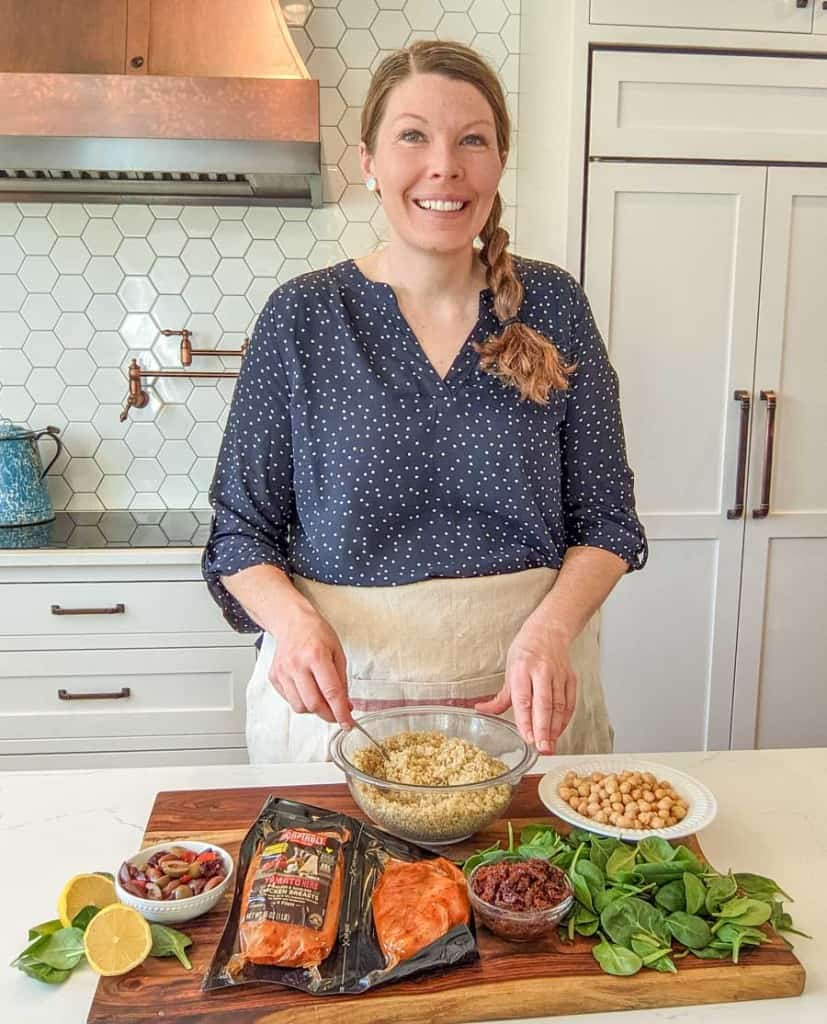
Meal planning is near and dear to my heart because life is hectic enough without adding the stress of what to make for dinner every single night!
I love cooking for my family, but with the quick pace of life, I have found that meal planning is a definite time and sanity saver. So I want to share some of my best tips and ideas for helping you master meal planning, too!
You can now mark off “find easy family meal planning ideas” from your never-ending to-do list.
Easy Weekly Meal Plan: Simple Family Meal Planning Ideas
Life moves fast, and figuring out what to serve your family every single night can feel overwhelming. That’s exactly why I’ve pulled together my best helpful info and tips for creating an easy weekly meal plan – to take the stress out of meal planning and give you back precious time during your busiest days.
Benefits of Easy Weekly Meal Planning
Planning your meals for the week ahead isn’t just about organization – it’s about reclaiming your evenings and creating a calmer home atmosphere. When you know exactly what you’re cooking each night, you eliminate the 5 PM panic and can actually enjoy time with your family instead of stressing over food decisions.
When I first started meal planning, I worried it would be one more thing on my endless to-do list. But it became the thing that freed up my to-do list! Let me share why this simple habit has been such a game-changer for our family.
Save Precious Time (And Your Sanity!)
You know that moment around 4 PM when you realize you have no idea what’s for dinner? The panic sets in, you’re scrambling through the pantry, maybe making a last-minute grocery run, and suddenly it’s 7 PM and everyone’s cranky and hungry.
With an easy weekly meal plan, those chaotic afternoons become peaceful. You wake up knowing exactly what you’re serving, what ingredients you have ready, and how long it’ll take. That mental clarity alone is worth its weight in gold.
Slash Your Food Budget Without Sacrificing Quality
Here’s something that surprised me: our grocery bill dropped once I started planning meals for the week.
Why? Because I stopped making those expensive impulse buys at the store. I wasn’t grabbing random ingredients “just in case” or ordering takeout because I didn’t have dinner planned. Every item on my grocery list has a purpose – a specific recipe it belongs to – which means nothing sits in the fridge getting forgotten until it spoils.
Eat Healthier Without Even Trying
When you plan meals in advance, you naturally make better food choices. You include more vegetables, balance your proteins, and think about nutrition in a way that’s impossible when you’re making split-second decisions while exhausted.
Plus, home-cooked meals – even simple ones – are almost always healthier than takeout or processed convenience foods.
Reduce Food Waste Dramatically
Americans waste about 30-40% of the food supply, but meal planning helps you beat those odds. When you buy exactly what you need for your planned recipes and use leftovers intentionally, very little ends up in the trash.
That half-bunch of cilantro? It’s going in Tuesday’s rice dish. Those extra vegetables? They’re already slated for Wednesday’s stir-fry.
Create Enjoyable Family Routines
There’s something wonderful about having predictable meal rhythms in your week. Kids thrive on routine (I do too!), and knowing that Friday is pizza night or Sunday means a special breakfast creates comforting traditions. Meanwhile, you get to actually enjoy cooking instead of treating it like a frantic chore you’re racing against the clock to complete.

Getting Started: Essential Meal Planning Tips
Creating a meal plan doesn’t have to be complicated or time-consuming. Start by choosing recipes you already know your family enjoys – this isn’t about reinventing the wheel, it’s about bringing structure to meals you’re already making.
Block out just 30 minutes on Sunday to map out breakfast, lunch, and dinner for the week, keeping things simple with familiar chicken, beef, and vegetable-based dishes. The key is consistency, not perfection.
When I help friends start their meal planning journey, the biggest mistake I see is trying to do too much at once. They want to plan elaborate gourmet meals, try all new recipes, and organize every single bite of food for the week. That’s a recipe for burnout! Let me walk you through a much gentler approach that actually sticks.
Choose Your Planning Day
Pick one day each week to sit down and plan your meals. For most families, Sunday afternoon works beautifully because it flows naturally into grocery shopping and meal prep.
But if Saturday morning or even Friday evening gives you a quiet hour to think, that’s your day! The timing matters less than the consistency.
Start With What You Already Love
Pull out your family’s favorite recipes – those go-to meals everyone asks for again and again. Maybe it’s your signature chicken dish, a beloved pasta recipe, or those beef tacos that disappear in minutes.
Write down 10-12 recipes your family genuinely enjoys.
Congratulations – you’ve just created your core meal rotation! You can build your entire first month of meal plans from these proven winners.
Keep a Simple Planning Template
You don’t need fancy software or apps (though they’re great if you love them!). A printed meal plan template, a simple notebook, or even your phone’s notes app works perfectly. Just use a basic format:
- Monday: Dinner recipe, Side dishes
- Tuesday: Dinner recipe, Side dishes And so on through the week.
Some people plan breakfast and lunch from day one, others stick to just dinners until that feels easy. There’s no wrong approach – do what serves your family best and you can maintain consistently.
Check Your Schedule First
Before assigning recipes to days, look at your week ahead.
⚽️ Got soccer practice Tuesday evening? That’s your crockpot or 30-minute meal night.
🧑🧑🧒🧒 Family dinner on Sunday? Perfect time for something special that takes a bit longer.
⏰ Working late Thursday? Schedule leftovers or breakfast-for-dinner.
Aligning your meal plan with your real life is the secret to actually following through.
Create Flexible Categories
Instead of being rigid about specific recipes, think in categories:
- One slow cooker or hands-off meal
- One quick weeknight pasta or rice dish
- One chicken recipe
- One beef or pork dinner
- One soup or comfort food meal
- One family favorite
- One leftover or “easy” night
This framework gives you structure while keeping things flexible enough to adapt based on what’s on sale or what sounds good that week.
Build Your Grocery List
Once your meals are mapped out, go through each recipe and write down every ingredient you’ll need. Check your pantry first and cross off what you already have.
Organize your list by store section (produce, meat, dairy, etc.) so shopping is efficient.
This targeted list prevents those wandering store trips where you spend $200 but somehow still have nothing for dinner! (Tell me I’m not the only one that’s ever happened to…😂)
Give Yourself Grace
Your first meal plan won’t be perfect. You might realize Wednesday’s recipe is too ambitious, or Friday’s dinner doesn’t sound appealing anymore. That’s completely normal!
Adjust as you go, and know that each week gets easier as you learn what works for your family’s unique rhythm.
Creating A Weekly Meal Plan
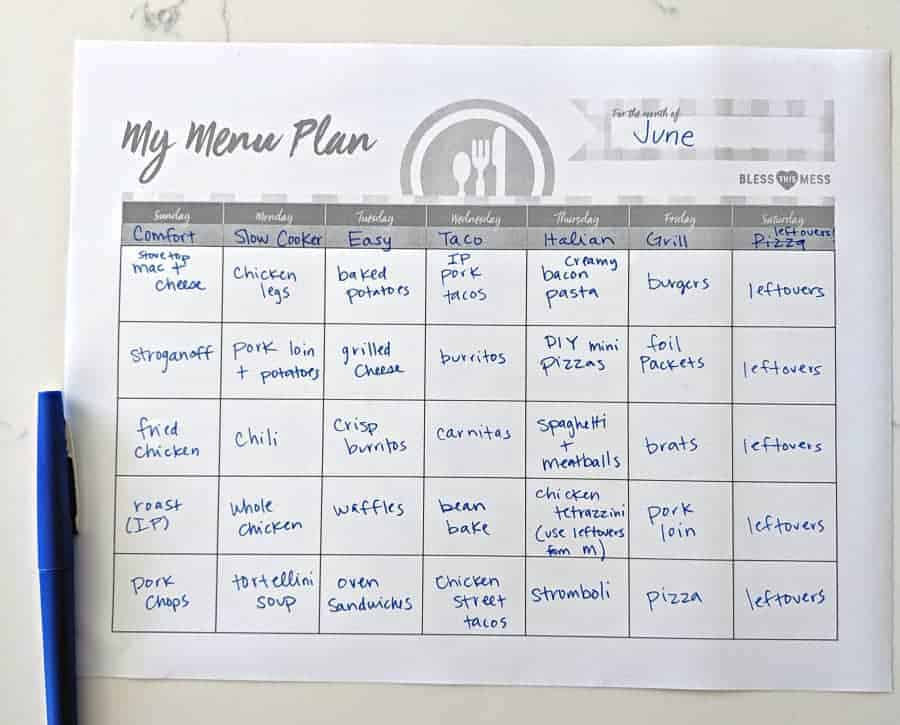
This is how actual meal planning works in real homes! The plan emphasizes simple preparation methods, strategic use of leftovers, and realistic time management.
Sunday involves the most cooking because you’re setting yourself up for the entire week ahead. But the other days you’re mostly assembling, reheating, or doing quick 30-minute meals using ingredients you already prepped.
You’ll notice how meals build on each other:
- Monday’s rice reappears in a different form on Wednesday.
- Sunday’s roasted chicken transforms into Tuesday’s creamy pasta.
- Thursday’s breakfast casserole becomes Friday’s grab-and-go morning meal.
This interconnected approach means less active cooking time while still serving your family varied, delicious home-cooked meals.
The beauty of this system is that once you understand the framework, you can swap in your own family’s favorite recipes while maintaining the time-saving structure. But for now, let me walk you through exactly how this works day by day!
Complete 7-Day Weekly Meal Plan
Do I really need to follow the plan exactly? Absolutely not! Your meal plan is a guide, not a contract. If you’re not feeling Thursday’s planned dinner, swap it with Friday’s or choose something completely different. The goal is reducing stress, not creating more – use your plan as a helpful framework that can flex with your real life.
Sunday (Meal Prep Day)
This is your power hour! Today you’ll cook a whole roasted chicken, make a big batch of waffles to freeze, and prepare soup for the week’s lunches. These three tasks set you up for effortless weekday eating.
Breakfast: The Best Homemade Whole Wheat Waffles Recipe – Make a DOUBLE batch! Freeze extras between parchment paper for the week.
Lunch: Easy Alphabet Soup – Make a BIG pot for this week’s lunches. If you’re feeling extra motivated, make a bread to have with your soup lunches this week—I highly recommend Garlic & Parmesan Breadsticks or good old-fashioned cornbread!
Dinner: Whole Roasted Chicken – This will be tonight’s dinner, and I recommend serving with good portions of sides like Oven French Fries and any version of roasted vegetables so you use the oven for everything.
Snack: White Chocolate and Craisin Granola Bars – These will keep all week and can fill in for breakfast-on-the-go if needed.
Prep Ahead:
- Take the meat off the bone, saving some for Tuesday’s and Friday’s dinners — 2 cups for Tuesday and 1 cup for Friday (plan for more if you will need to make more servings of these meals).
- Put the chicken bones in the crockpot overnight to make a fabulous homemade chicken stock. (When it’s done, store broth and any bits of meat in the freezer and use to make soup next week.)
- Wash and chop vegetables for the week.
- Make overnight oats base for Wednesday and Friday (keep in fridge).
Monday (No Cooking Morning!)
Breakfast: Leftover waffles from freezer – just toast them! Top with Blueberry Topping or fresh fruit.
Lunch: Alphabet soup (from Sunday’s batch) and bread, if you made it.
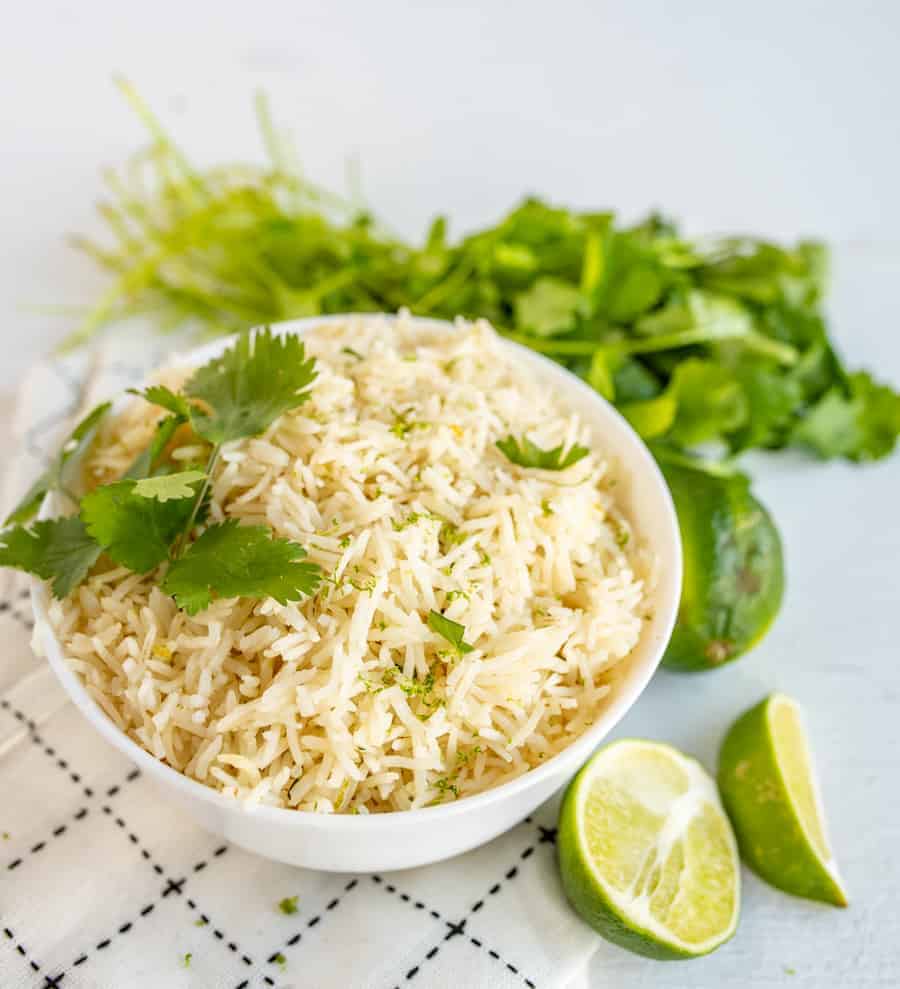
Dinner: Cafe Rio Sweet Pork Barbacoa in the crockpot (start in morning) with Cafe Rio Cilantro Lime Rice (make extra rice for Thursday – see note below) and Cafe Rio Black Beans.
Snack: Perfect Peanut Butter Cookies
Prep Ahead:
- You can either make extra of the cilantro lime rice or make plain white or brown rice to go with Wednesday’s orange chicken stir-fry. Any rice will work and can be made ahead and stored in the refrigerator.
Tuesday (Using Sunday’s Chicken!)
Breakfast: Leftover waffles from freezer
Lunch: Alphabet soup (from Sunday’s batch) and bread, if you made it.
Dinner: Cheesy Chicken Tetrazzini with Mushrooms – Use the leftover roasted chicken from Sunday!
Snack: Cherry Bliss Balls – An easy 5-minutes snack that keeps well in the fridge and freezer so make a double batch.
Wednesday (Overnight Oats Day!)
Breakfast: Overnight oats (prepped Sunday) – Just grab from the fridge and eat!
Lunch: Leftover sweet pork from Monday + soup if you want extra
Dinner: Orange Chicken with Stir-Fry Veggies (using leftover rice from Monday to save time)
Snack: The Best Caramel Dip with apple slices
Thursday (Cook Breakfast Today)
Breakfast: Easy Egg and Potato Breakfast Casserole – Make it this morning and eat leftovers tomorrow!
Lunch: Alphabet soup (from Sunday) or leftovers from another dinner
Dinner: Crockpot Broccoli and Cheese Soup with Simple Cream Biscuits
Snack: Morning Glory Muffins – batch bake and freeze extras
Friday (Easy Day!)
Breakfast: Leftover breakfast casserole from Thursday – just reheat!
Lunch: Leftover broccoli cheese soup from Thursday (or any other leftovers)
Dinner: Homemade Pizza with Chicken and Bacon – Friday night pizza tradition using cooked chicken from earlier this week!
Snack: Any leftover snacks from the week
Saturday (Weekend Cooking)
Breakfast: Breakfast Biscuit Sandwiches for a Crowd – This recipe makes 12 so freeze any extra individually for quick breakfasts next week.
Lunch: Easy Breakfast Burrito – Another easy breakfast to freeze and reheat
Dinner: Beef Bourguignon with Mashed Potatoes and fresh homemade baguettes – This is a special meal that’s still easy and mostly hands-off time. Plus it makes fabulous leftovers!
Snack: Creamy 6-Cup Ambrosia Fruit Salad – This fun dish doubles as a dessert for that special dinner!
How This Plan Saves You Time
- Breakfasts: You only cook 3 times (Sunday waffles, Wednesday overnight oats prep, Thursday casserole) – everything else is leftovers or grab-and-go!
- Lunches: Sunday’s soup carries you through most of the week, supplemented by dinner leftovers.
- Dinners: Sunday’s roasted chicken appears in Tuesday’s completely different tetrazzini. Monday’s rice reappears Thursday.
- Total Active Cooking Days: Really just Sunday prep day plus quick weeknight dinners that use your prepped ingredients.
The Secret Strategy
Notice how Sunday involves the most cooking? That’s intentional! You’re setting up your entire week in one afternoon. The rest of the week, you’re mostly assembling, reheating, or doing quick 20-30 minute meals. This is how real families make meal planning sustainable!

Smart Grocery List Organization
A well-organized grocery list is your secret weapon for efficient shopping trips. Group items by store section – produce, proteins, dairy, and pantry staples – so you can move through the aisles systematically without backtracking.
This strategic approach not only saves valuable time but also helps you stick to your budget by avoiding impulse purchases. Many families find that following a structured list based on their weekly meal plan cuts their grocery bill by 20-30%.
Let me tell you about the game-changing moment when I stopped writing random grocery lists and started organizing them strategically. My shopping time literally got cut in half!
Here’s the exact system I use now that makes grocery shopping feel like a quick, focused mission instead of an overwhelming marathon.
Create Store-Specific Categories
Every grocery store has a layout, and your list should match it. I organize mine like this:
Produce Section All fruits, vegetables, fresh herbs, and salad greens go here. I list them first because I hit the produce section right when I walk in. Plus, grouping them helps me see if I’m buying enough vegetables for the week!
Meat & Seafood Counter List all your proteins together – chicken, beef, pork, fish. I note the quantity I need (like “2 lbs chicken breasts” or “1 lb ground beef”) so there’s no guessing at the counter.
Dairy & Eggs Milk, cheese, yogurt, butter, and eggs all grouped together. Pro tip: I keep a running tally of these items at home since we go through them quickly.
Pantry Staples This includes rice, pasta, canned goods, oils, spices, and baking ingredients. I organize this section by aisle in my regular store to make it even faster.
Frozen Foods List frozen vegetables, fruits, and any other freezer items last since you want to grab these at the end to keep them cold.
Bakery & Bread Fresh bread, rolls, or any bakery items.
Use the “Check Your Pantry First” Method
Here’s a money-saving trick: before writing your grocery list, take five minutes to actually look in your pantry, fridge, and freezer. You’d be amazed how often we buy duplicates of things we already have! I once bought three jars of cumin because I kept forgetting I already had it. Now I check first, always.
Note Quantities and Specifics
Don’t just write “chicken” on your list. Write “3 lbs boneless skinless chicken breasts.” The more specific you are, the less time you’ll spend standing in the aisle trying to remember exactly what you need. This also prevents over-buying or under-buying.
Include Meal Assignments
Sometimes I’ll note which meal each ingredient is for, especially for items I might not regularly buy. “Cilantro (for Tuesday’s rice)” helps me remember why I need it and prevents it from wilting forgotten in the produce drawer.
Create a Master Template
Once you’ve got your categories set up, save it as a template you can use week after week. I have mine in my phone’s notes app with all the categories already there. Each week I just fill in what I need under each heading. It takes maybe 10 minutes tops!
Shop Once Per Week
This organized approach works best when you’re doing one big shop for the week. Sure, you might need to grab milk midweek, but having everything else on hand means fewer trips, less time spent shopping, and way less temptation to impulse buy.
Budget-Friendly List Strategies
Circle or star the most expensive items on your list before you shop. This awareness helps you make smart choices. Maybe you planned beef but chicken’s on sale – being flexible with proteins while sticking to your planned meals is the sweet spot for savings.
Digital vs. Paper Lists
I’m a phone app person because I always have my phone with me, but my mom swears by her paper list. Use whatever system you’ll actually stick with! Some apps even let you organize items by store aisle automatically, which is pretty handy if you’re into technology.

Meal Prep Strategies That Actually Work
The magic of stress-free weeknight cooking lies in smart prep work done ahead of time. Dedicating an hour on Sunday to wash vegetables, cook rice in bulk, marinate proteins, and portion snacks sets you up for success all week long.
These small investments of time transform hectic evenings into calm, manageable cooking sessions where dinner comes together in minutes rather than hours. You’ll discover that serving nutritious home meals becomes second nature when the hardest work is already done.
These strategies aren’t about spending your entire Sunday in the kitchen – they’re about smart shortcuts that pay off all week long.
Prep Vegetables in One Session
Right after you get home from the grocery store, wash and chop all your vegetables for the week.
- Store washed lettuce and greens in a salad spinner lined with paper towels.
- Chop onions, peppers, celery, and carrots for all meals for the week – diced small, chopped, sticks, etc. Keep them in separate containers in the fridge.
- Prep any other veggies, even if it’s just getting them washed up. Ideally you’ll have all the vegetables for the week in their final form for use when needed.
When Wednesday night rolls around and your recipe calls for diced onion, you’ll just grab your prepped container instead of standing there crying over a cutting board while hungry kids hover!
Cook Grains & Proteins in Bulk
Rice, quinoa, and pasta all store beautifully in the fridge for several days. Cook a big batch on Sunday and suddenly you have the base for multiple meals ready to go.
Same with proteins – grill several chicken breasts, cook a pot of beans, or brown ground beef. These cooked proteins become building blocks for salads, wraps, pasta dishes, and more throughout the week.
Marinate Proteins the Night Before
If Tuesday’s dinner features marinated chicken, mix up that marinade Monday night before bed. Let it work its magic overnight, and when you come home Tuesday, your chicken is flavor-packed and ready to cook. This five-minute investment the night before makes dinner feel effortless the next day.
Portion Snacks in Advance
Those granola bars, cookie portions, and veggie sticks with dip all get prepped Sunday afternoon in my house. I use small containers or bags to create grab-and-go snacks for the whole week. This prevents the “I’m starving!” raids on the pantry and makes packing lunches ridiculously easy.
Breakfast Assembly Line
If you’re making muffins or breakfast sandwiches for the week, do it assembly-line style. Mix up multiple batches, bake everything at once, then freeze what you won’t eat in the next few days. Grab-and-go breakfasts change the morning chaos game completely.
Strategic Freezer Use
Sunday is also the day I think about the next week. I’ll double a recipe and freeze half for a future busy night. Soups, casseroles, and sauces all freeze beautifully. Label everything with the date and contents – future you will be so grateful!
Smart Storage Solutions
Invest in good storage containers that you can see through. I prefer glass because I can reheat right in them, but sturdy plastic works too. Being able to see what’s prepped helps you actually use it. Out of sight truly is out of mind in the kitchen!
The “Semi-Homemade” Approach
Not everything needs to be made from scratch. Buy pre-washed salad greens if your budget allows. Use rotisserie chicken for chicken-based meals. The goal is getting dinner on the table, not proving you can do everything the hard way.
Sunday Prep Timeline
Here’s how I tackle Sunday prep without it taking over my day:
- 0-15 minutes: Wash and store produce
- 15-30 minutes: Cook bulk grains or pasta
- 30-45 minutes: Portion snacks and finalize meal plan
I usually have Sunday’s night meal going in the slow cooker or also prep it and start cooking while I’m already in the kitchen.
What NOT to Prep Ahead
Some things don’t hold up well when prepped too early.
I don’t cut avocados or apples until the day I’ll use them (they brown too quickly). Crispy items like croutons or tortilla chips stay fresher when added at the last minute.
You’ll learn which ingredients are worth prepping and which are better fresh as you build your routine.
Making the Most of Leftovers
Leftovers are a meal planner’s best friend when approached creatively. That extra chicken from Monday’s dinner becomes Tuesday’s lunch salad. Sunday’s roasted vegetables transform into Wednesday’s pasta sauce.
By intentionally cooking slightly larger portions and thinking one meal ahead, you build a system where food serves double duty without feeling repetitive. This strategy significantly reduces the time you spend actively cooking while ensuring nothing goes to waste.
Here’s a mindset shift that changed everything for me: leftovers aren’t boring repeats – they’re strategic meal components! Once I started seeing Sunday’s roasted chicken as both dinner AND the foundation for three more meals that week, cooking felt less overwhelming and way more efficient.
The “Cook Once, Eat Twice” Philosophy
When you’re making chicken for dinner, grill or roast an extra pound. Yes, it takes the same amount of time and effort! Now you have:
- Tonight’s dinner
- Tomorrow’s chicken salad lunch
- Wednesday’s chicken quesadillas
- Thursday’s chicken noodle soup base
See how that works? One cooking session fuels multiple meals without anyone feeling like they’re eating the exact same thing repeatedly.
Transform, Don’t Just Reheat
The secret to making leftovers appealing is transformation. Those baked chicken legs from Monday? Shred the meat and it becomes:
- Taco filling with different seasonings
- BBQ chicken pizza topping
- Chicken salad with mayo and veggies
- Addition to homemade soup
It’s the same protein, but it feels like completely different meals!
Leftover Rice = Instant Meals
Cooked rice is one of the most versatile leftovers in your kitchen. Turn it into:
- Fried rice with vegetables and eggs
- Rice bowls with fresh toppings
- Added bulk for soup or chili
- Base for stir-fry dishes
I always make extra rice specifically because I know it’ll speed up another meal later in the week.
Soup Ingredient Collection
I keep a container in my freezer labeled “soup stash.” Throughout the week, leftover cooked vegetables, bits of meat, and even small amounts of grains go in there.
When the container fills up, that’s my signal to make a big pot of vegetable beef soup or chicken vegetable soup. Nothing gets wasted, and I get a “free” meal from ingredients I already used once!
Vegetable Resurrection Methods
Roasted vegetables from Sunday dinner can become:
- Blended into pasta sauce
- Chopped into omelets or frittatas
- Mixed into grain bowls
- Pureed into soup
- Added to quesadillas or wraps
The key is repurposing them in ways that feel fresh and intentional rather than like you’re cleaning out the fridge.
Strategic Leftover Storage
How you store leftovers matters! I portion them into single-serving containers right after dinner. This makes grabbing lunch the next day effortless – no measuring, no decisions, just grab and go. Clear containers help you see what you have, and labeling with dates prevents mystery containers from multiplying.
The “Leftover Buffet” Night
Once a week, we have “clean out the fridge” night if needed. This is where everyone picks their favorite leftovers and we heat everything up buffet-style. The kids love the variety, and I love using up every last bit before grocery day rolls around again.
Portion Control from the Start
When planning meals, think about your family size realistically. If a recipe serves 6 but you’re a family of 4, perfect! Plan for those 2 extra servings to become tomorrow’s lunch.
This intentional approach means leftovers are never surprises – they’re built into your meal plan from the beginning.
Foods That Actually Improve as Leftovers
Some dishes taste even better the next day! Chili, soup, curry, and pasta sauce all develop deeper flavors after sitting overnight. I often make these specifically on Sunday knowing they’ll be even more delicious Tuesday or Wednesday.
Creative Breakfast Makeovers
Dinner leftovers can become breakfast! That sweet pork barbacoa? Incredible in a breakfast burrito with eggs. Extra roasted potatoes? Hash browns for morning. Think outside the traditional “breakfast food” box and use what you have.
When to Actually Toss Leftovers
Be realistic about what you’ll use. If something’s been in the fridge more than 3-4 days and you keep passing it over, it’s time to let it go. No guilt! Learning what your family will eat as leftovers helps you plan better portions moving forward.

Adapting Plans for Your Family’s Needs
No two families eat exactly the same way, and that’s perfectly okay. This meal plan serves as a flexible framework you can customize based on dietary restrictions, personal preferences, and your schedule.
Vegetarian family members can swap beef for beans. Busy Thursday nights might call for a crockpot meal instead of something requiring active cooking time. The beauty of meal planning is that once you understand the basic structure, you can adapt any recipes to fit your unique family’s needs while maintaining the time-saving benefits.
One of the biggest myths about meal planning is that you need to follow everything exactly as written. The truth? A meal plan works best when it bends to fit your life, not the other way around! Let me show you how to make this framework your own.
Adjusting for Dietary Needs
Vegetarian Adaptations: Every protein-based recipe in this plan can be modified for vegetarian eating. Swap chicken for chickpeas, beef for black beans, or any meat for extra-firm tofu. The seasonings and cooking methods stay the same – you’re just changing the protein source. That orange chicken becomes orange tofu, and it’s absolutely delicious!
Gluten-Free Modifications: Many recipes are naturally gluten-free or can easily become so. Use gluten-free pasta in the tetrazzini, swap regular flour for gluten-free flour blends in baked goods, and verify your seasonings and sauces are gluten-free certified. Rice-based meals require no changes at all.
Dairy-Free Solutions: Replace butter with olive oil or dairy-free margarine. Use coconut milk or cashew cream in place of regular milk or cream. Nutritional yeast adds a cheesy flavor to dishes without actual cheese. Many families don’t even notice these swaps!
Low-Carb Adjustments: Replace rice with cauliflower rice. Swap pasta for zucchini noodles or spaghetti squash. Use lettuce wraps instead of tortillas. The proteins and vegetables in this plan already fit low-carb eating – you’re just modifying the sides.
Scaling for Family Size
Feeding a Smaller Family (2-3 people): Cut all recipes in half, or make the full amount and embrace leftovers for lunch the next day. Smaller families often benefit most from cooking regular portions and using leftovers strategically.
Feeding a Larger Family (6+ people): Double the recipes, or make 1.5x the amount. The beauty of these recipes is they scale beautifully. Your grocery list just multiplies along with the portions!
Feeding Growing Teenagers: If your household includes teenage boys (or girls!) with bottomless appetites, plan for larger portions of proteins and starches. I always make extra when my nephews visit – they can put away food like you wouldn’t believe!
Accommodating Picky Eaters
Here’s my strategy for families with selective eaters: serve meals “deconstructed” style. Instead of mixing everything together, put components on the table separately. Kids can build their own plates, choosing what they want.
A stir-fry becomes “rice, chicken, and veggies you pick.” A pasta dish becomes “noodles, sauce on the side, optional vegetables.” Everyone eats the same meal base but customizes it to their preferences.
Working Around Busy Schedules
Late Work Nights: Designate these as crockpot or instant pot nights. Start dinner cooking before you leave in the morning, and it’s ready when you get home. Or make these leftover nights – no cooking required!
Sports Practice Evenings: These need 30-minute or faster meals. Keep a list of your quickest recipes for these nights. Breakfast burritos, quesadillas, or simple pasta dishes work beautifully.
Weekend Flexibility: Saturdays and Sundays often have more relaxed schedules, making them perfect for trying new recipes or cooking something that takes a bit more time. Use weekends to prep for the week ahead too.
Budget Considerations
Stretching Your Grocery Budget: Focus on less expensive proteins like chicken legs instead of breasts, ground beef instead of steaks, and dried beans instead of canned. Buy produce that’s in season – it’s cheaper and tastes better. Plan one or two meatless meals each week to cut costs.
Splurge vs. Save: Invest in quality for ingredients that matter most to you – maybe that’s organic produce or grass-fed beef. Save money on pantry staples and items where brand doesn’t affect taste much.
Seasonal Adaptations
Summer Adjustments: Lighter meals, more grilled options, fresh salads, and cold meals that don’t heat up the kitchen.
Winter Modifications: Heartier soups, casseroles, slow-cooked meals, and comfort foods that warm you up from the inside.
Making It Work for YOUR Family
The most important thing to remember is that this meal plan is a starting point, not a rigid set of rules. Maybe your family hates tomatoes – leave them out! Perhaps Monday is always so hectic that cooking dinner is impossible – make it leftover night!
The framework provides structure, but you’re the expert on your family’s needs. Trust yourself to adapt, modify, and personalize until you’ve created a system that actually works for the real humans living in your house.
I’ve been meal planning for years now, and my plans look nothing like they did when I started. They’ve evolved with my family’s changing needs, preferences, and schedules. Yours will too, and that’s exactly how it should be!

When Real Life Happens: Flexibility Strategies for Your Meal Plan
Here’s the truth about meal planning that nobody tells you: even the best-laid plans need wiggle room! Life throws curveballs – your partner calls at 4 PM saying they’re bringing a coworker home for dinner, soccer practice gets cancelled so everyone’s home early and starving, or Tuesday’s crazy schedule means dinner needs to happen in shifts.
Let me share strategies I’ve learned for handling these inevitable situations without abandoning your meal plan entirely.
Handling Unexpected Guests
The “Stretch the Meal” Method
Most dinners can feed 1-2 extra people with a few quick additions. Here’s my emergency playbook:
- Add a simple green salad (takes 5 minutes with prewashed greens)
- Slice some bread and put out butter
- Open a can of beans and season them as an extra side
- Make a quick batch of rice – rice cookers are miracle workers!
- Set out chips and salsa while you stretch the main dish
The Magic of Pasta and Rice
These ingredients are lifesavers for unexpected company. Got 4 servings of chicken tetrazzini planned but 6 people showing up? Cook more pasta and stretch the sauce. The orange chicken feeding 4 but you need 6 servings? Make extra rice and vegetables. Nobody will notice the slight adjustment in protein-to-side ratios.
Keep a “Company Shelf” in Your Pantry
I always have a few items specifically for surprise guests:
- A box of fancy crackers and good cheese
- Artisan bread in the freezer (thaws quickly!)
- Nice cookies or brownies in the freezer
- Ingredients for a quick dessert (brownie mix counts!)
The Honest Approach
Sometimes the best solution is transparency: “We’re so glad you’re here! Dinner’s pretty simple tonight, but there’s plenty to go around.” Most people are just grateful for the invitation and couldn’t care less if it’s fancy.
Dealing with Sudden Schedule Changes
Late Meetings or Overtime
When someone texts at 3 PM that they’ll be home an hour late:
- Move tonight’s planned meal to tomorrow
- Swap in something faster from later in the week
- Use the crockpot meal you had planned for Thursday
- Make it “breakfast for dinner” night (always fast!)
- Declare it official leftover night
Practice Cancelled or Event Shortened
Everyone’s suddenly home early and hungry at 5 instead of 7:
- Skip the planned dinner and order pizza (it’s okay!)
- If you’d planned a slow-cooked meal, do a quick swap with something faster
- Make a big breakfast-style meal (eggs and toast come together quickly)
- Serve planned dinner sides as snacks while you speed-cook the protein
- Use this as your built-in “flex night” where anything goes
Complete Schedule Chaos
Some days are just disasters. When nothing is going according to plan:
- Keep 2-3 “emergency meals” in your freezer (frozen pizza, frozen lasagna, pre-made soup)
- Have ingredients for ultra-fast meals always on hand (pasta + jar sauce, quesadillas, grilled cheese and soup)
- Use a food delivery service guilt-free – that’s what they’re for!
- Remember: one off-plan meal doesn’t derail your whole week
Family Members Eating at Different Times
The “Modular Dinner” Approach
When everyone’s eating at different times, think components rather than plated meals:
- Keep proteins plain that anyone can reheat
- Store sauces separately to add when serving
- Sides that hold well (roasted vegetables, rice, salad greens)
- Label containers with reheating instructions
Strategic Use of Your Crockpot
Crockpots keep food warm for hours, making them perfect for families eating in shifts. That sweet pork barbacoa? It’ll be perfect whether someone eats at 5 PM or 8 PM. Same with soups, chilis, and most slow-cooked meals.
Build-Your-Own Meals Work Best
For nights when you know timing will be scattered:
- Taco/burrito bars (everyone assembles when ready)
- Baked potato bar with various toppings
- DIY pizza night (everyone makes their own)
- Salad bar setup with various proteins and toppings
- Pasta station with different sauces
Prep Individual Portions
If you know Wednesday is always chaotic, plan that meal with portioning in mind. Divide the chicken tetrazzini into individual containers while you’re making it. Each family member can grab their portion and heat it when they’re ready to eat.
The “Meal Plan Pivot” System
Keep Three Backup Plans Ready
I always have these options available for when the plan completely falls apart:
- The Freezer Meal: Something homemade I froze weeks ago
- The 15-Minute Meal: Breakfast for dinner, quesadillas, or pasta with jar sauce
- The Total Escape: Phone numbers for takeout we all enjoy
The Swap Strategy
Treat your weekly meal plan like a flexible schedule. Nothing says Tuesday’s dinner HAS to happen Tuesday. If Wednesday is suddenly crazy, swap Wednesday’s and Friday’s meals. Move Saturday’s slower meal to Sunday. The week still balances out, just in a different order.
Give Yourself Permission to Adjust
The biggest lesson I’ve learned? A meal plan is a tool to reduce stress, not create it. If following the plan exactly feels harder than helpful, you’re doing it wrong. The plan serves you – you don’t serve the plan.
When to Completely Abandon Ship
Some weeks are just too chaotic for meal planning. Maybe someone’s sick, work is overwhelming, or life is life-ing hard. It’s completely okay to take a week off from planning and do whatever gets food on the table. You can always start fresh next Sunday. The goal is sustainable habit, not perfection.
Best Tips for Easy Weekly Meal Planning Success
👩🍳 Start Small and Build Gradually: Don’t overwhelm yourself by planning every single meal for the entire week right away. Begin with just dinners for 3-4 days, then gradually expand to include breakfast and lunch as you get comfortable with the routine. This approach makes meal planning feel manageable rather than daunting.
👩🍳 Theme Nights Simplify Decisions: Assign themes to certain nights of the week – like Meatless Monday, Taco Tuesday, or Slow Cooker Sunday. Having a loose framework eliminates decision fatigue while still allowing flexibility in your specific recipe choices. Families often find that kids look forward to predictable favorites while you maintain structure.
👩🍳 Double Recipes for Built-In Leftovers: When cooking chicken, beef, or grain-based dishes, intentionally make extra portions. These planned leftovers become tomorrow’s lunch or can be frozen for an easy meal next week. This strategy maximizes your cooking time and ensures you always have something ready when life gets hectic.
👩🍳 Keep a Running Grocery List: Throughout the week, note ingredients you’re running low on or items you’ll need for upcoming meals. Many families keep this list on their phone or a notepad in the kitchen. When Sunday planning time arrives, you’ll already have a head start on your shopping needs.
👩🍳 Prep Ingredients in Batches: Dedicate time to washing and chopping vegetables, cooking rice or pasta, and portioning snacks all at once. Store prepped ingredients in clear containers so you can see what’s ready to use. This batch approach transforms weeknight cooking from a chore into a quick assembly process.
👩🍳 Flexibility Is Your Friend: Life happens – someone gets sick, meetings run late, or you’re simply too tired to cook what you planned. Keep a few ultra-simple backup meals in your arsenal (like breakfast for dinner or a quick pasta dish) so you can adapt without guilt or stress.
👩🍳 Review and Adjust Weekly: After each week, spend five minutes reflecting on what worked and what didn’t. Did your family love that new chicken recipe? Was Wednesday too packed for the planned meal? Use these insights to refine next week’s plan, making each cycle easier and more tailored to your family’s rhythm.
FAQs About Using a Weekly Meal Plan
Most families find that planning one week at a time strikes the perfect balance between organization and flexibility. Planning on Sunday for the week ahead allows you to shop once, prep strategically, and adjust plans as needed without feeling locked into a rigid system. More experienced planners sometimes map out two weeks, but start with one week until the habit feels natural.
Build flexibility into your meal plan by including customizable components. Serve proteins plain alongside sauces on the side, offer raw and cooked vegetable options, or create build-your-own meals like taco bars or pasta stations. This strategy ensures everyone finds something they enjoy while you still cook one main meal for the whole family.
Start with what stresses you most – for many families, that’s dinner. Once dinner planning feels comfortable, add breakfast and lunch gradually. Even loosely planning these meals (like “yogurt and granola” for breakfast rather than a specific recipe) reduces daily decision-making and keeps your grocery list complete.
Sunday works well for most families because it naturally leads into grocery shopping and prep before the week begins. However, choose whatever day gives you 30-60 uninterrupted minutes to plan thoughtfully. Some prefer Saturday mornings or even Friday evenings to get ahead of the weekend rush.
Plan meals around what’s already in your pantry and what’s on sale that week. Building your grocery list from your meal plan prevents impulse purchases and wasted ingredients. Incorporating budget-friendly proteins like chicken legs, eggs, and beans while planning intentional leftovers significantly reduces your food costs over time.
Rotate between 3-4 different weekly meal plans throughout the month so you’re not repeating meals too frequently. Save new recipes you want to try in a dedicated folder, then swap in one or two each week alongside your proven favorites. This approach maintains variety without the stress of planning completely new meals every single week.
Create Your Own Weekly Meal Plan!
Creating an easy weekly meal plan transforms chaotic mealtimes into calm, predictable routines that benefit your entire family. By investing just a small amount of time upfront to organize your meals, build your grocery list, and prep key ingredients, you’ll save hours of stress throughout the week while serving nutritious home-cooked food your family loves.
Remember, successful meal planning isn’t about perfection – it’s about finding a sustainable rhythm that works for your unique family. Start simple, build gradually, and adjust as you learn what fits your schedule and preferences. Before long, you’ll wonder how you ever managed without this game-changing approach to family meal planning for the week.
Ready to get started? Pick three dinner recipes from this week’s plan that appeal to you, add them to your grocery list, and commit to just those three nights. Small steps lead to lasting habits, and soon you’ll have mastered the art of easy weekly meal planning that actually sticks!
More Meal Planning Ideas To Try




💗 I’d love to hear your best meal planning tips! Please leave a comment, and be sure to share these ideas on Instagram, Facebook, or Pinterest!