
This post may contain affiliate links. Please read our disclosure policy.
If you’ve ever found yourself with a surplus of garden-fresh tomatoes, a massive haul of berries, or a crisper drawer full of fresh produce that you can’t use fast enough, learning how to preserve fresh foods is a vital way to use that delicious produce year-round. Preserving food at home lets you lock in peak seasonal flavor, save money on grocery bills, and stock your pantry with delicious homemade food.
As a busy mom who loves growing and cooking real food, I know that food preservation can feel intimidating at first; trust me, I’ve been there too. Pressure cookers, water baths, and sterilizing jars can sound high-stress, but they really aren’t! There are so many incredibly simple preservation methods that take just a few minutes, from quick refrigerator pickles to freezing seasonal fruits. I’ve rounded up the best simple ways to preserve fresh foods with the ultimate beginner’s guide.
Table of Contents
What is Food Preservation?
Food preservation is the process of treating and handling food to stop or slow down spoilage caused by bacteria, mold, or natural enzymes. Common home methods include water bath canning, pressure canning, freezing, dehydrating, cold storage, and pickling.
Key Takeaways
- Multiple beginner methods.
- Zero food waste.
- Peak flavor year-round.
- Budget-friendly.
Main Methods of Home Food Preservation
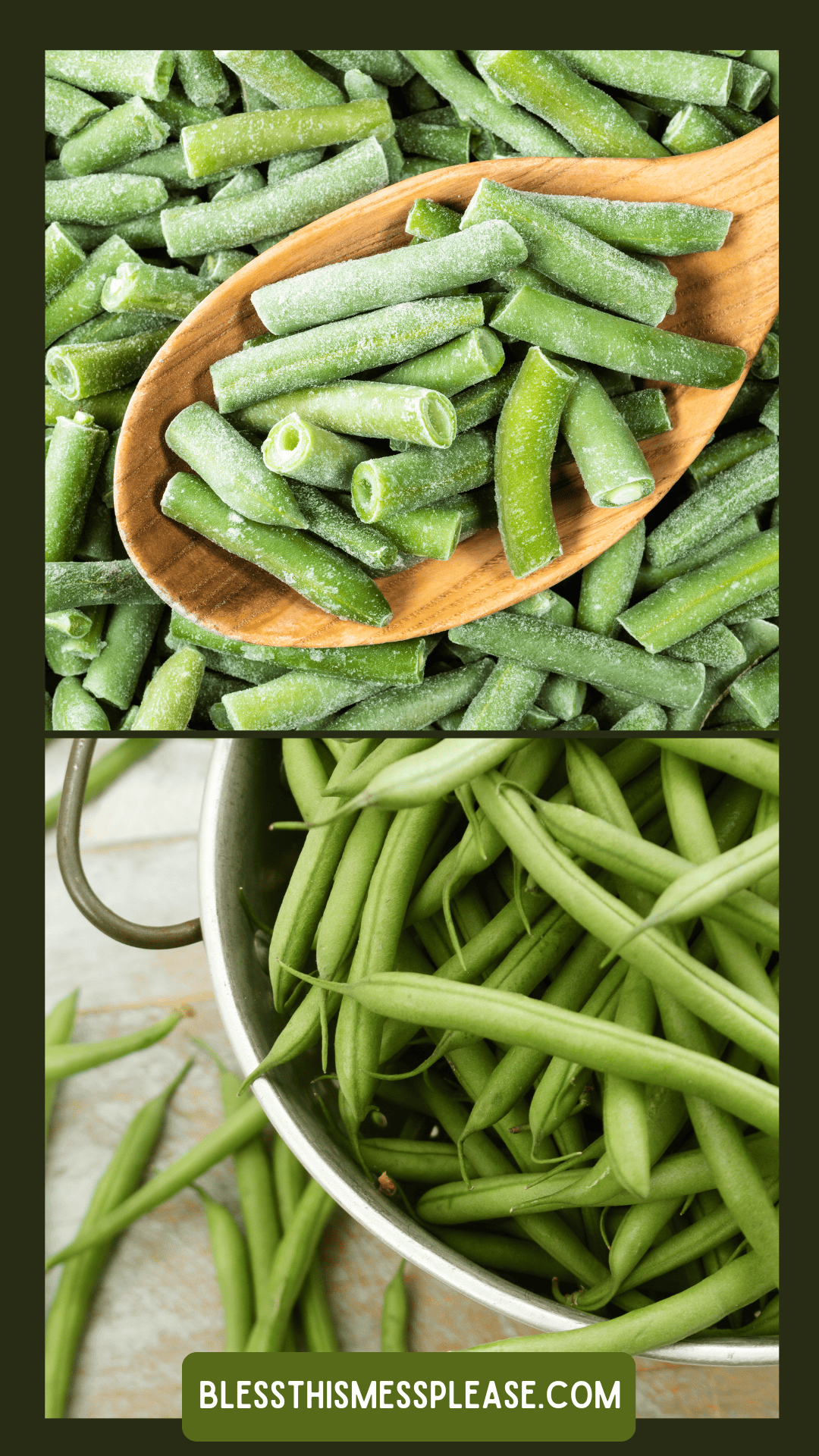
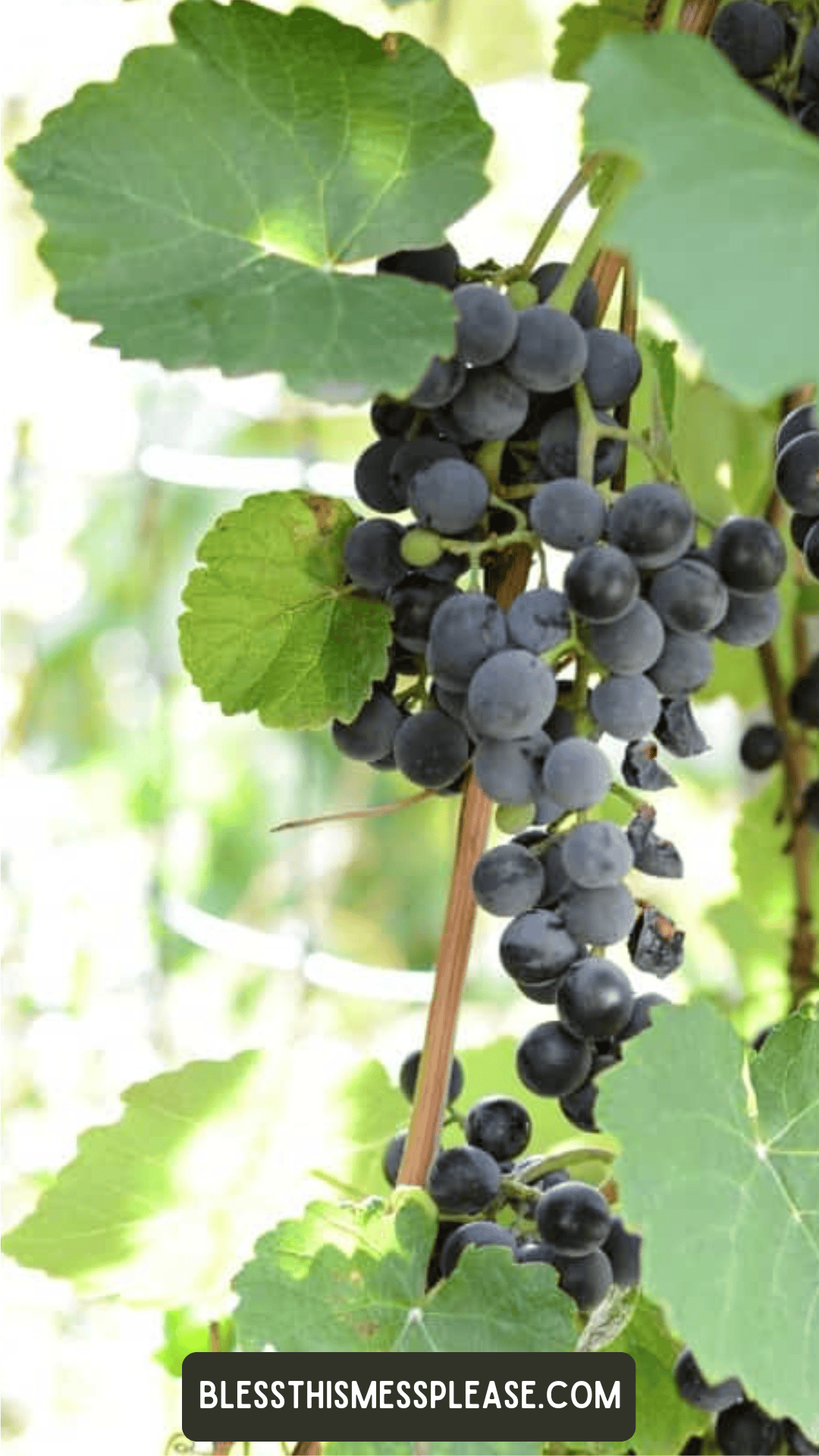
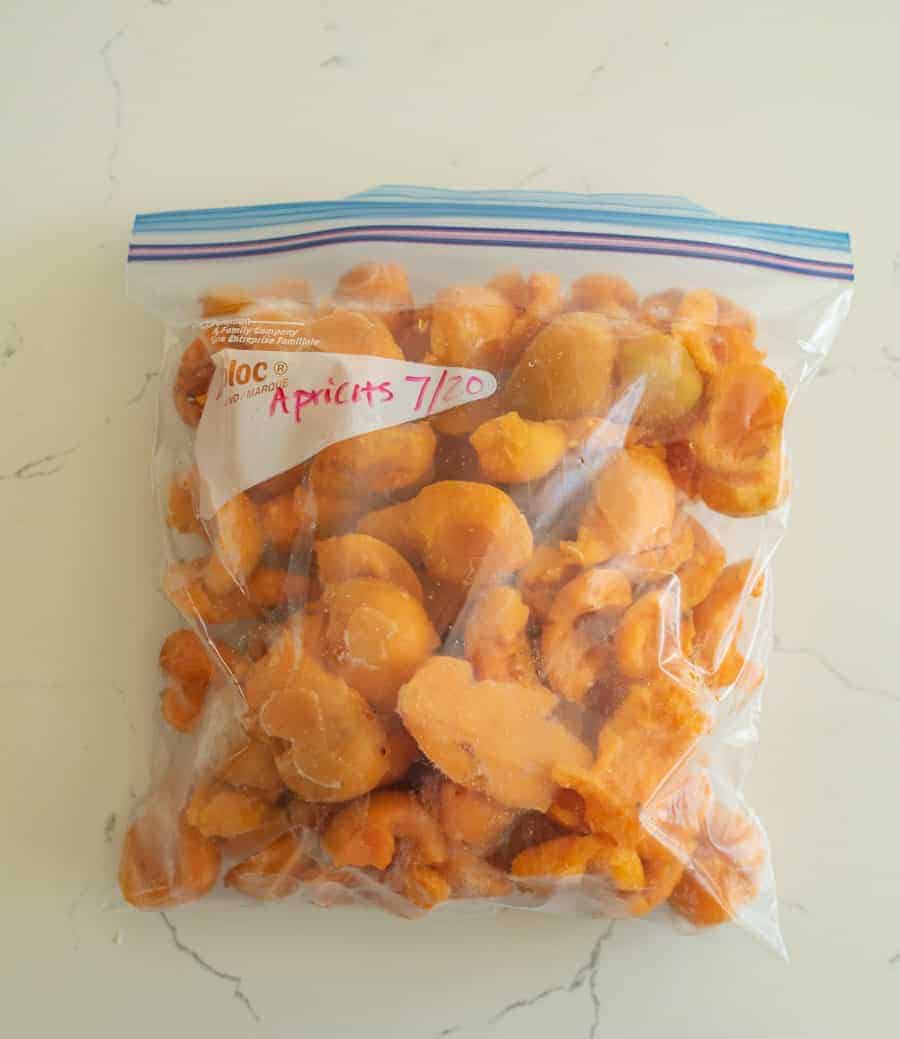
- Freezing: This is the absolute easiest method; it’s perfect for berries, vegetables, herbs, and grapes.
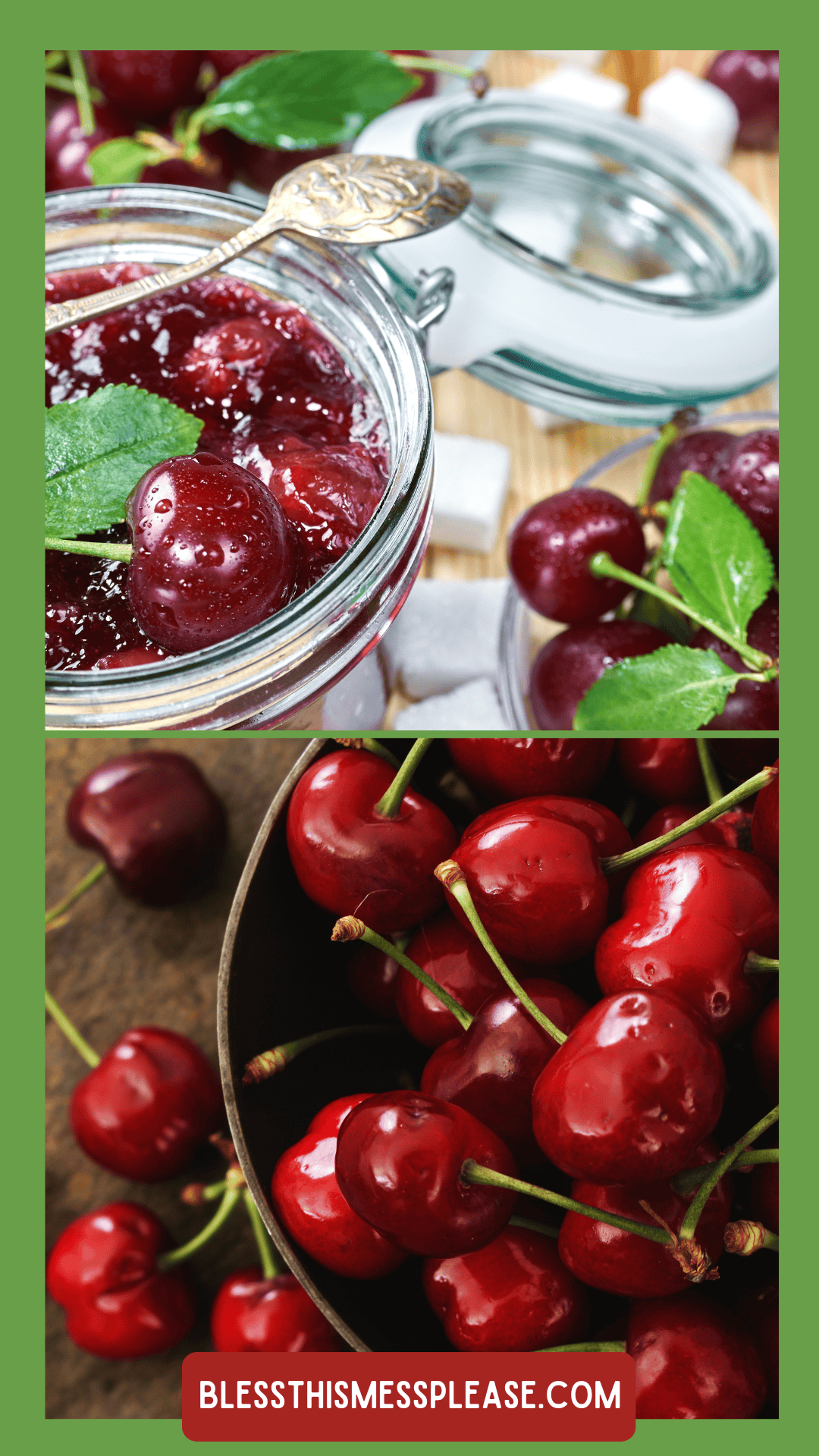
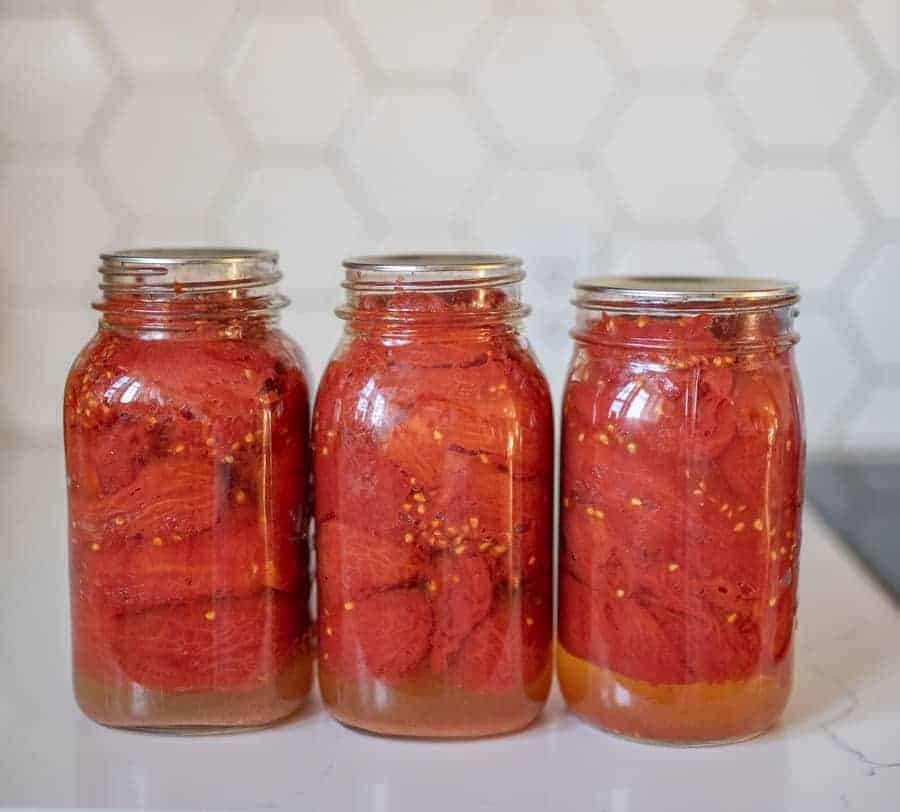
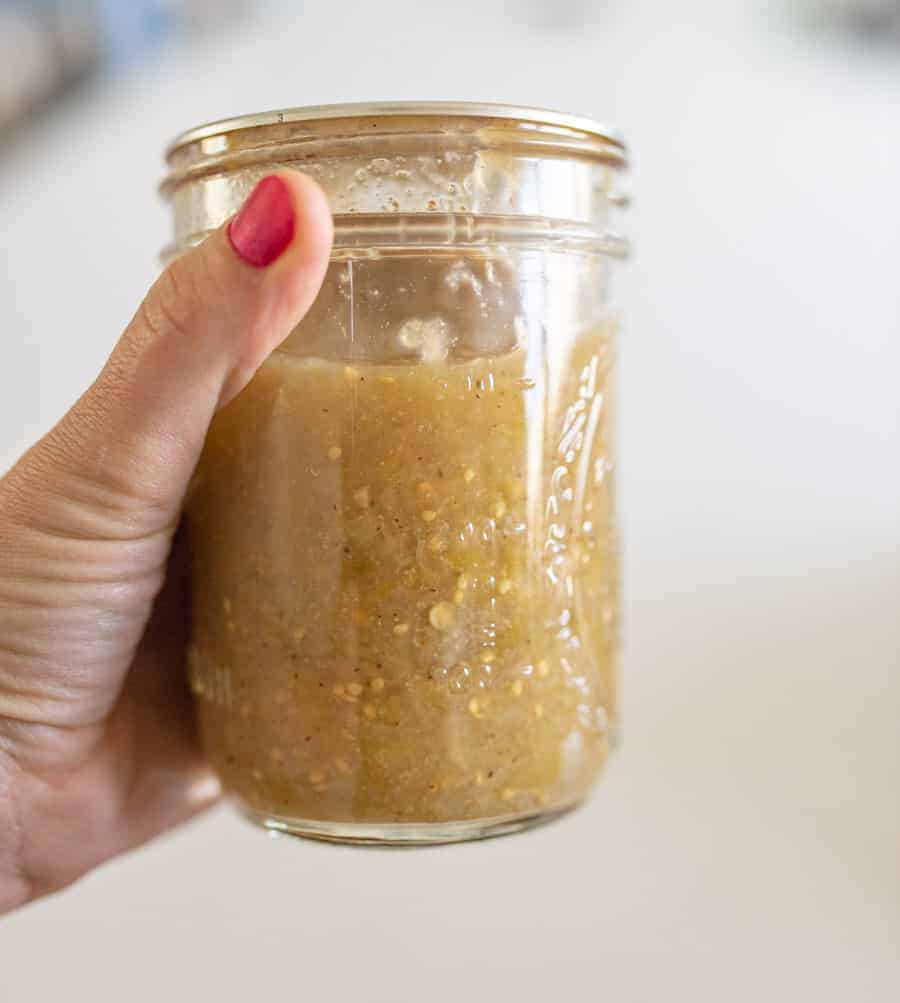
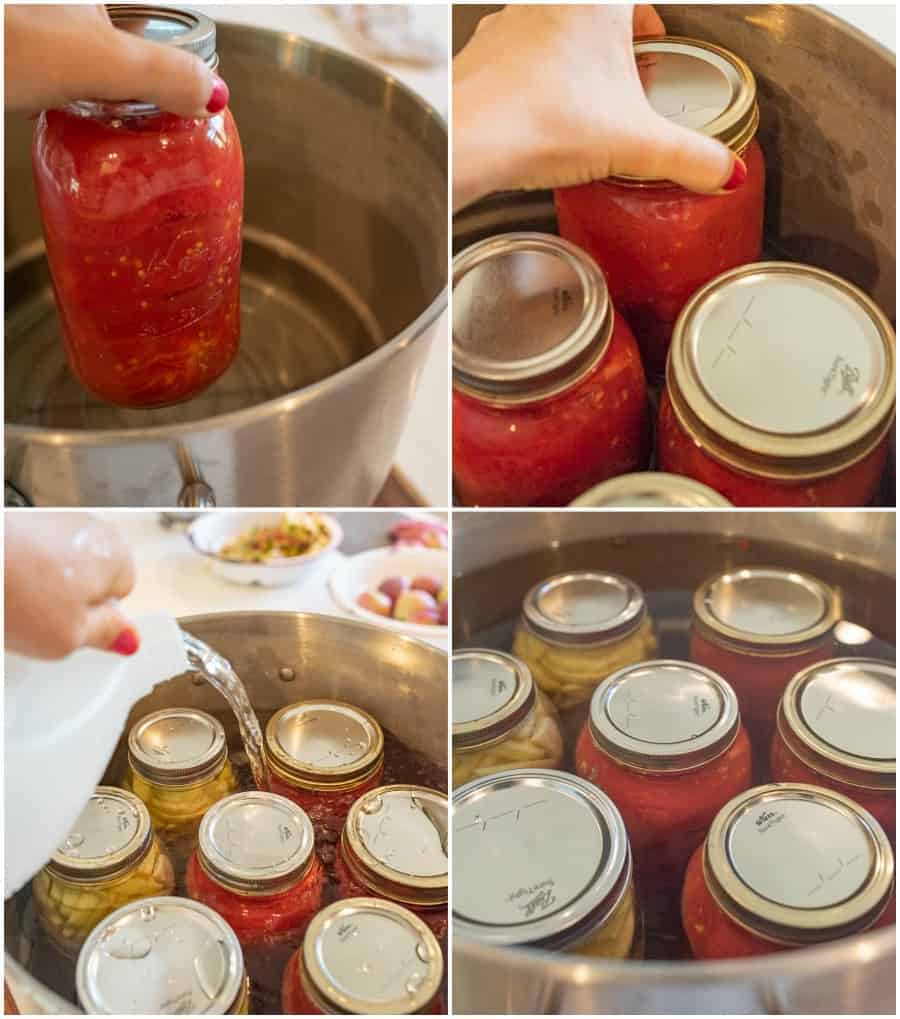
- Water Bath Canning and Pressure Canning: Best for high-acid foods like fruits, jams, jellies, tomatoes, pickles, and salsa. This involves submerging filled glass canning jars into a boiling bath of water for a specified time. The high heat destroys spoilage organisms while driving air out of the jar, creating an airtight vacuum seal as it cools.
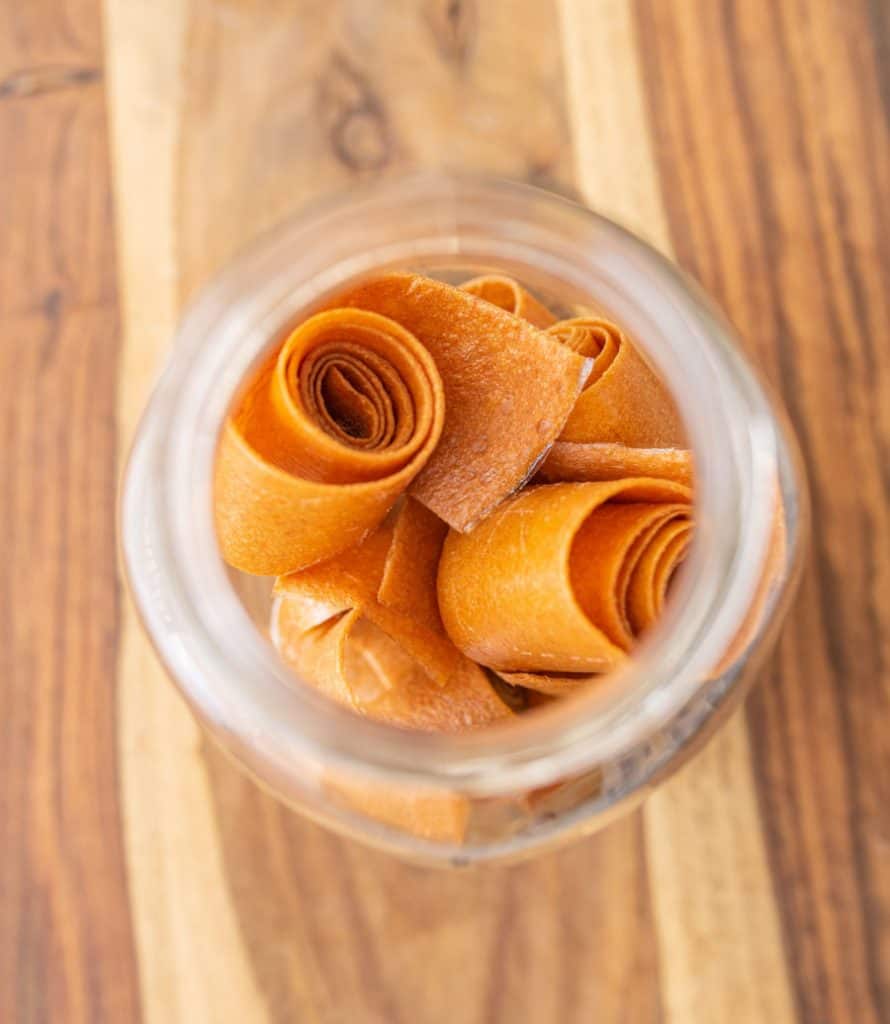
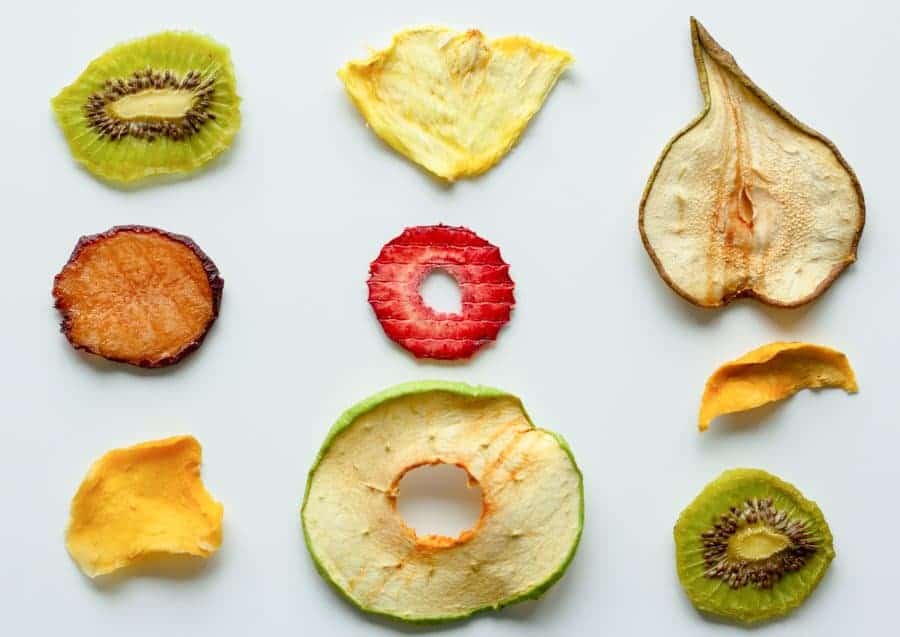
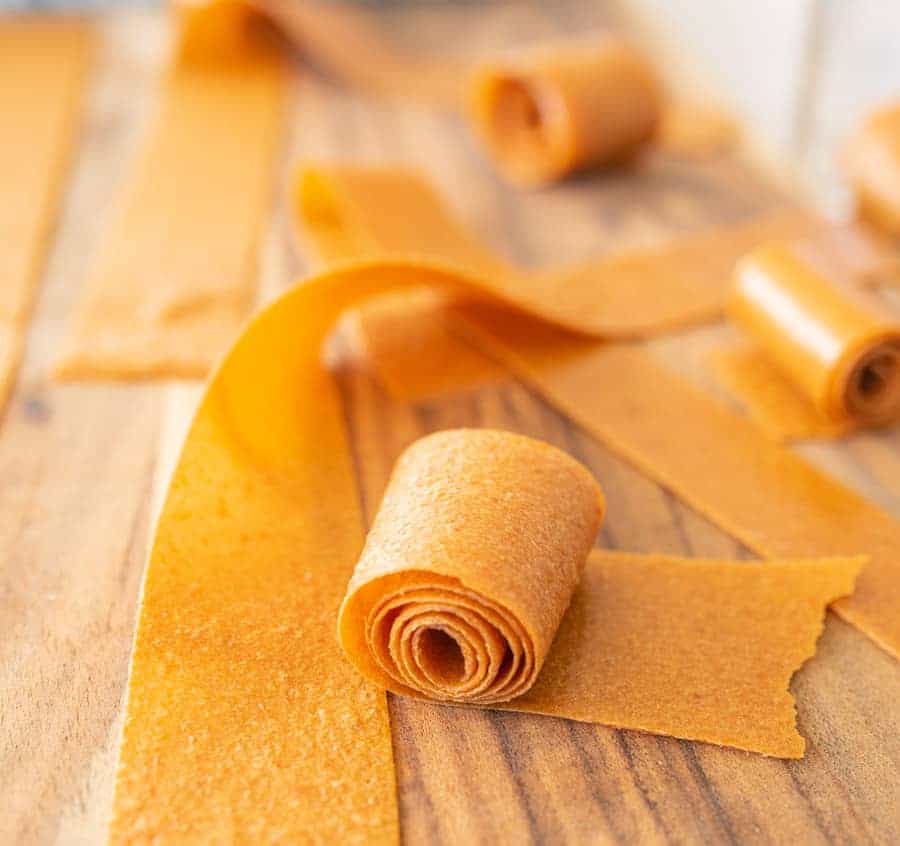
- Dehydrating: Removing moisture using a dehydrator or a low-temp oven, this stops bacterial growth and reduces the weight and volume of the food for easy pantry storage. This is great for fruit leather, dried herbs, beef jerky, or apple chips.
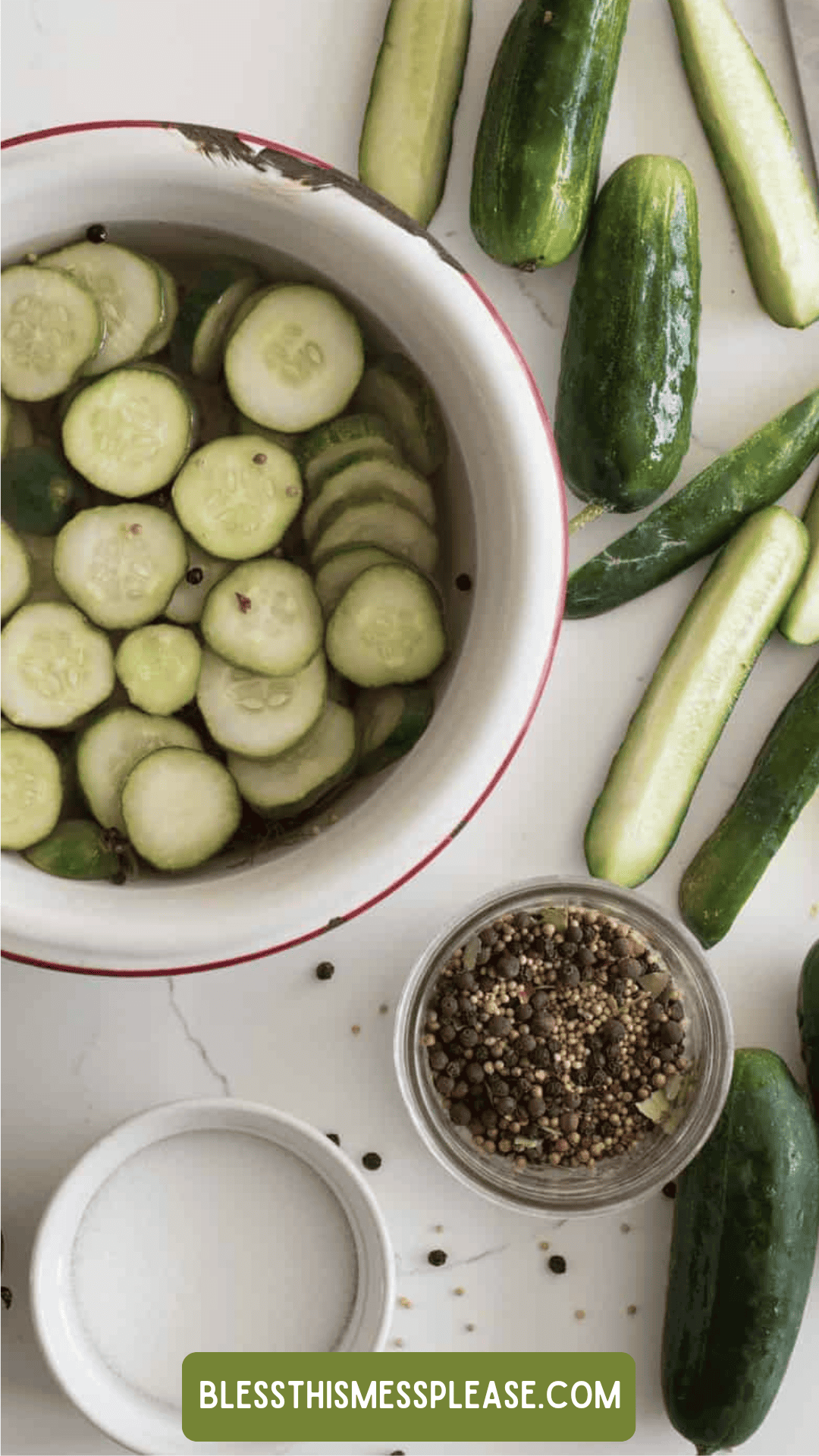
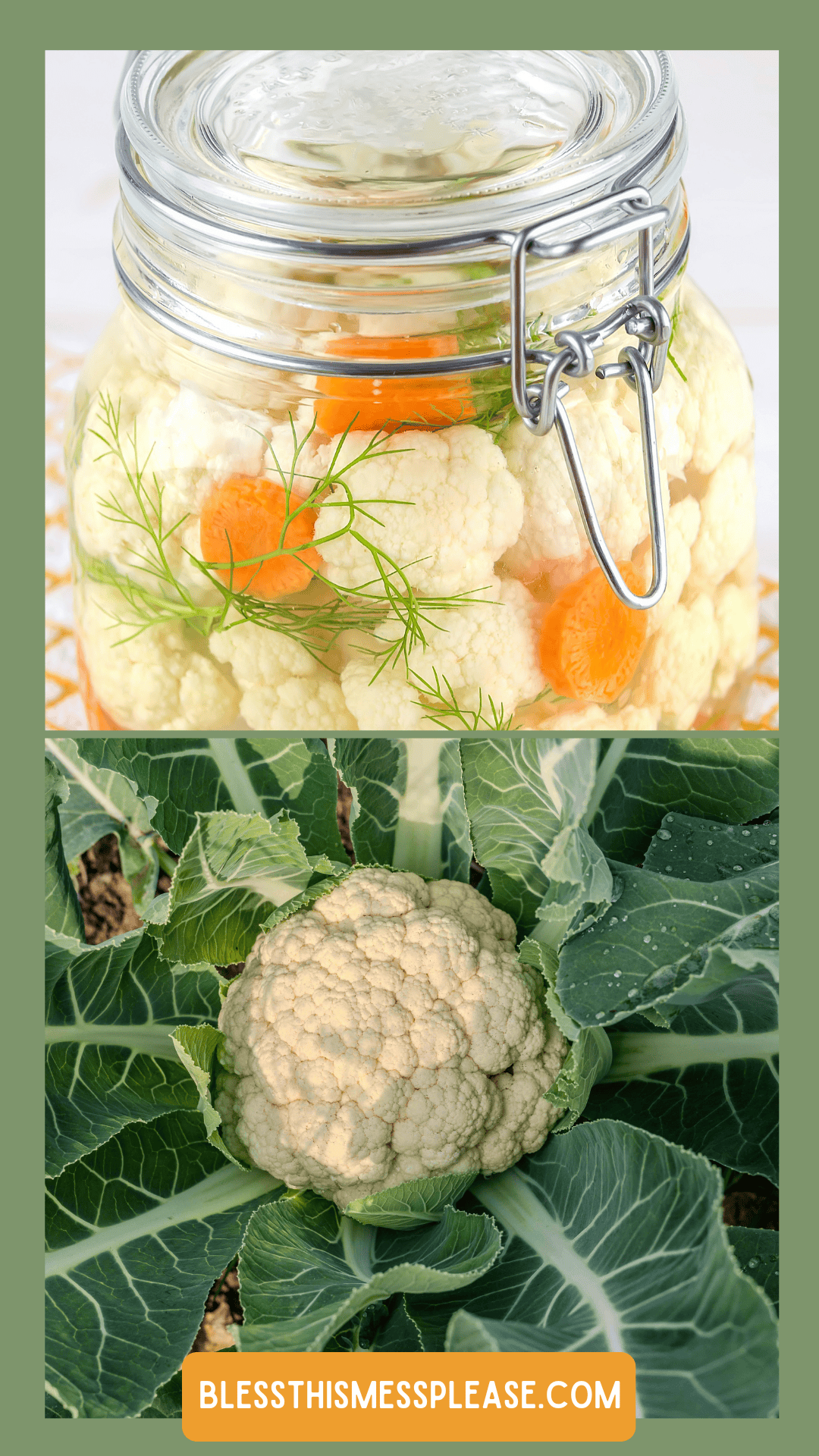
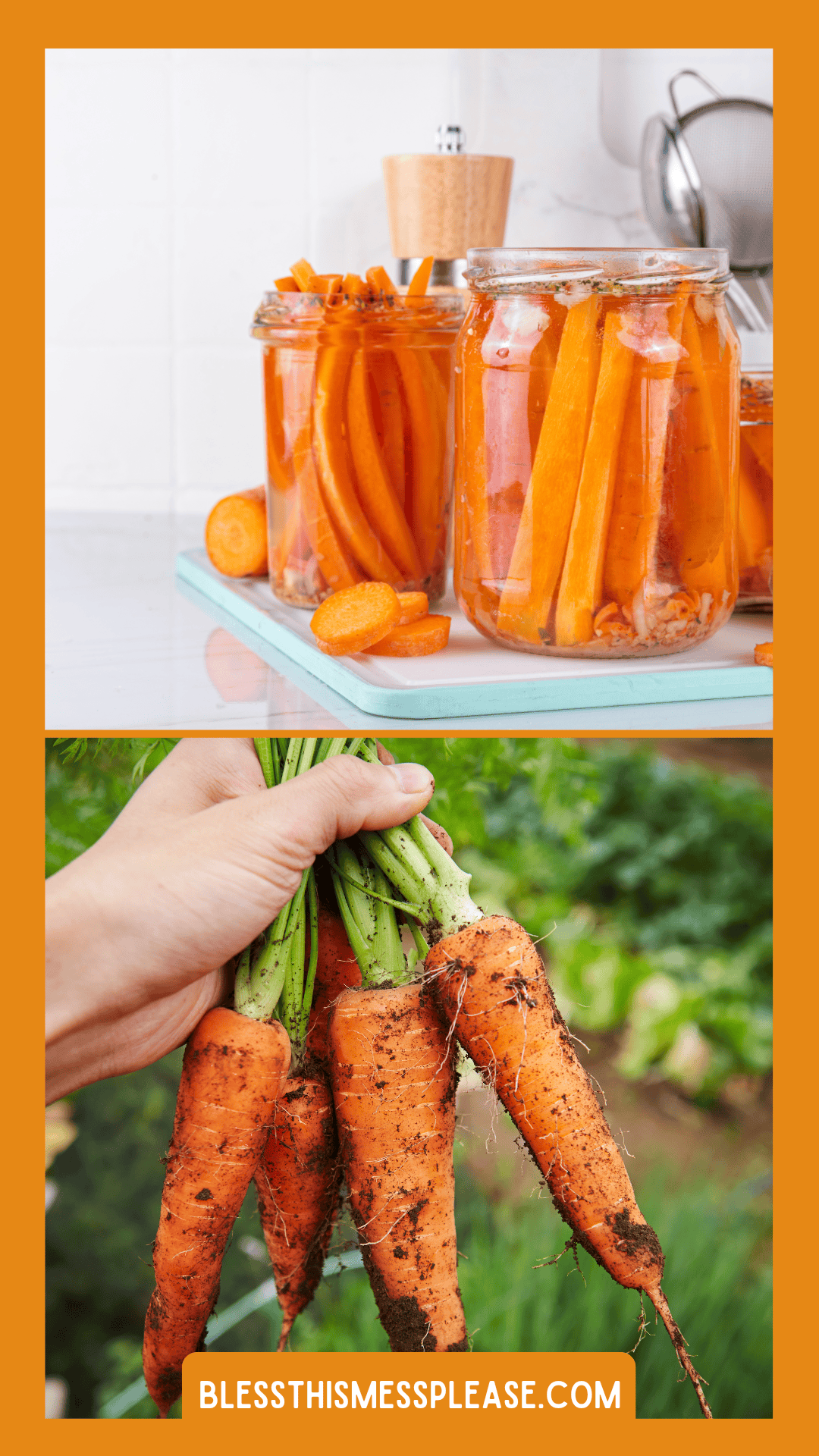
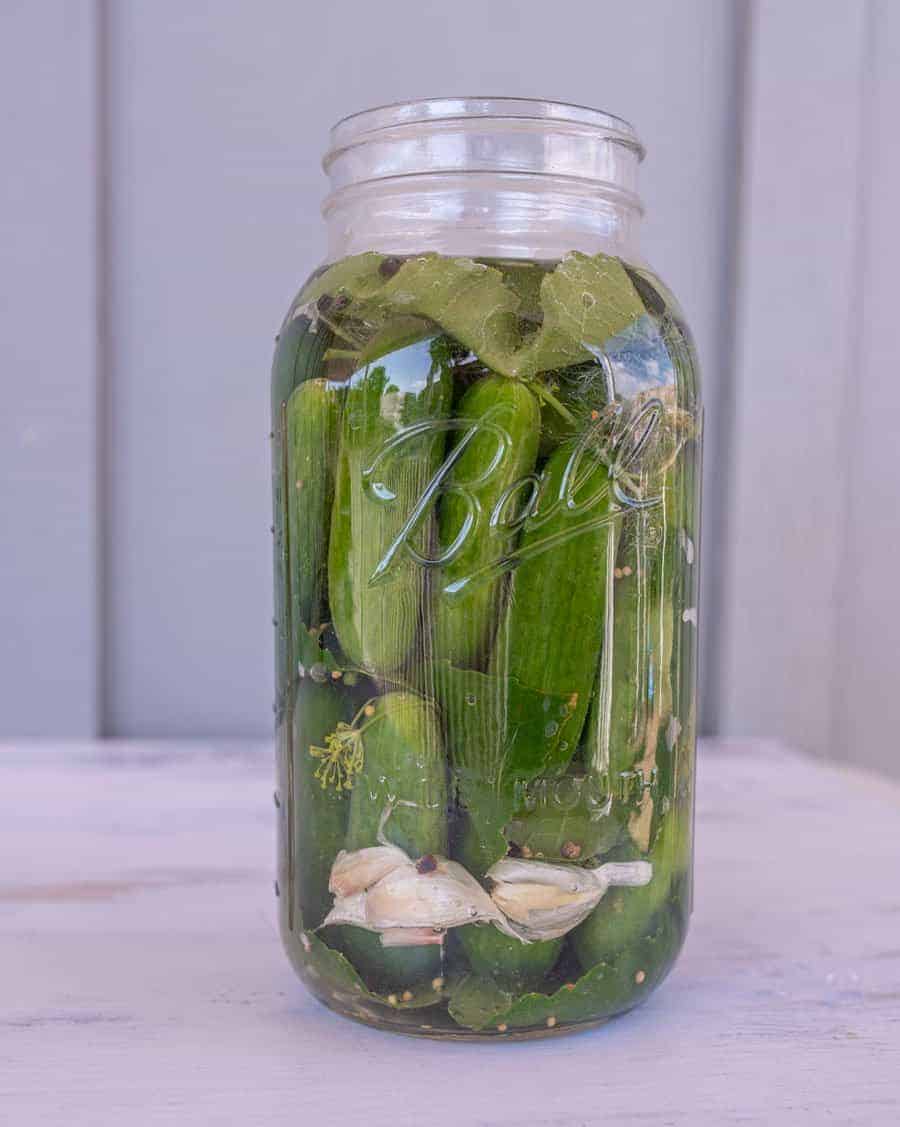
- Quick Pickling the Refrigerator Method: This method uses a vinegar-based brine and is stored directly in the fridge, perfect for pickles.
Simple Ways to Preserve Fresh Foods
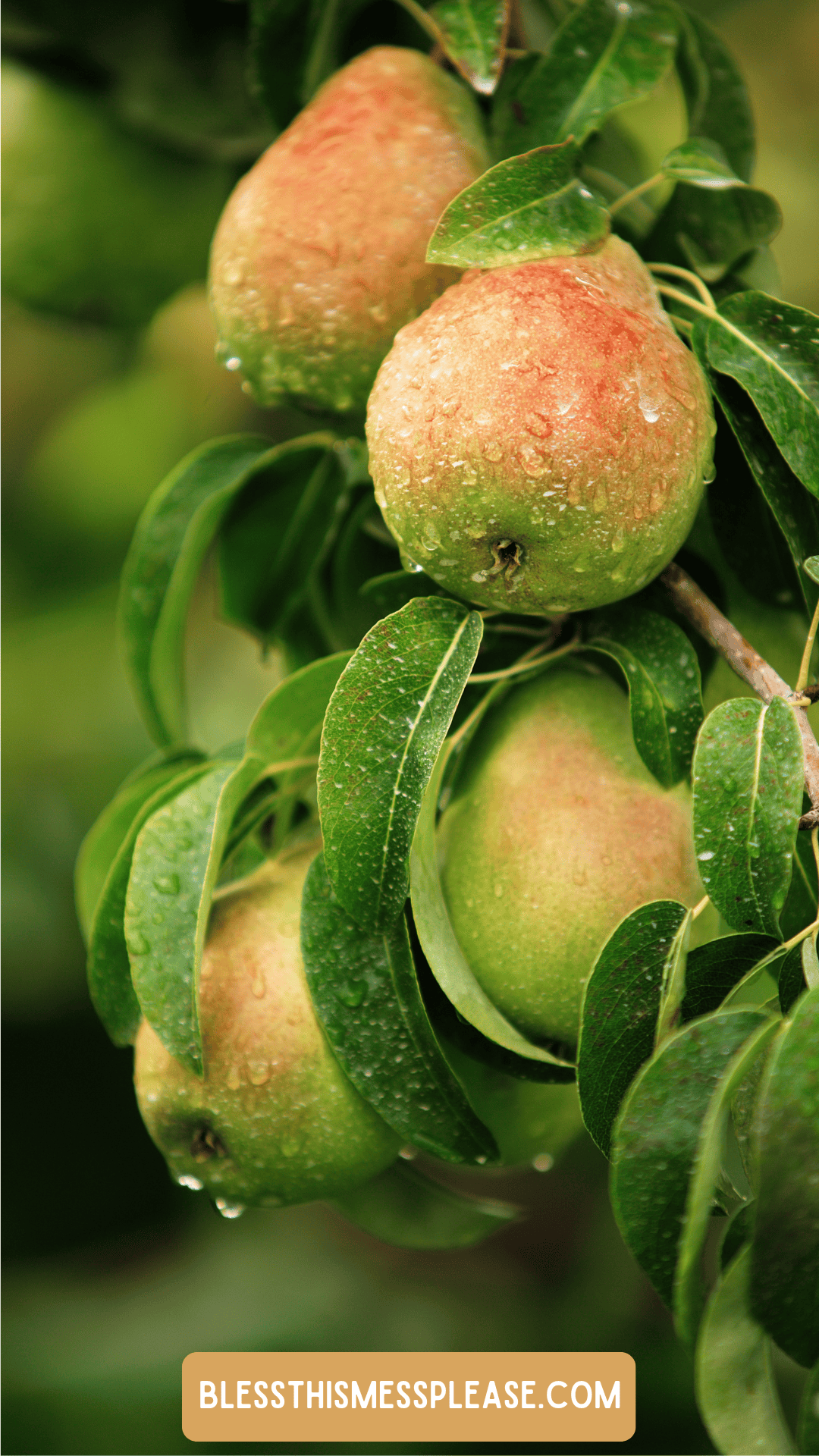
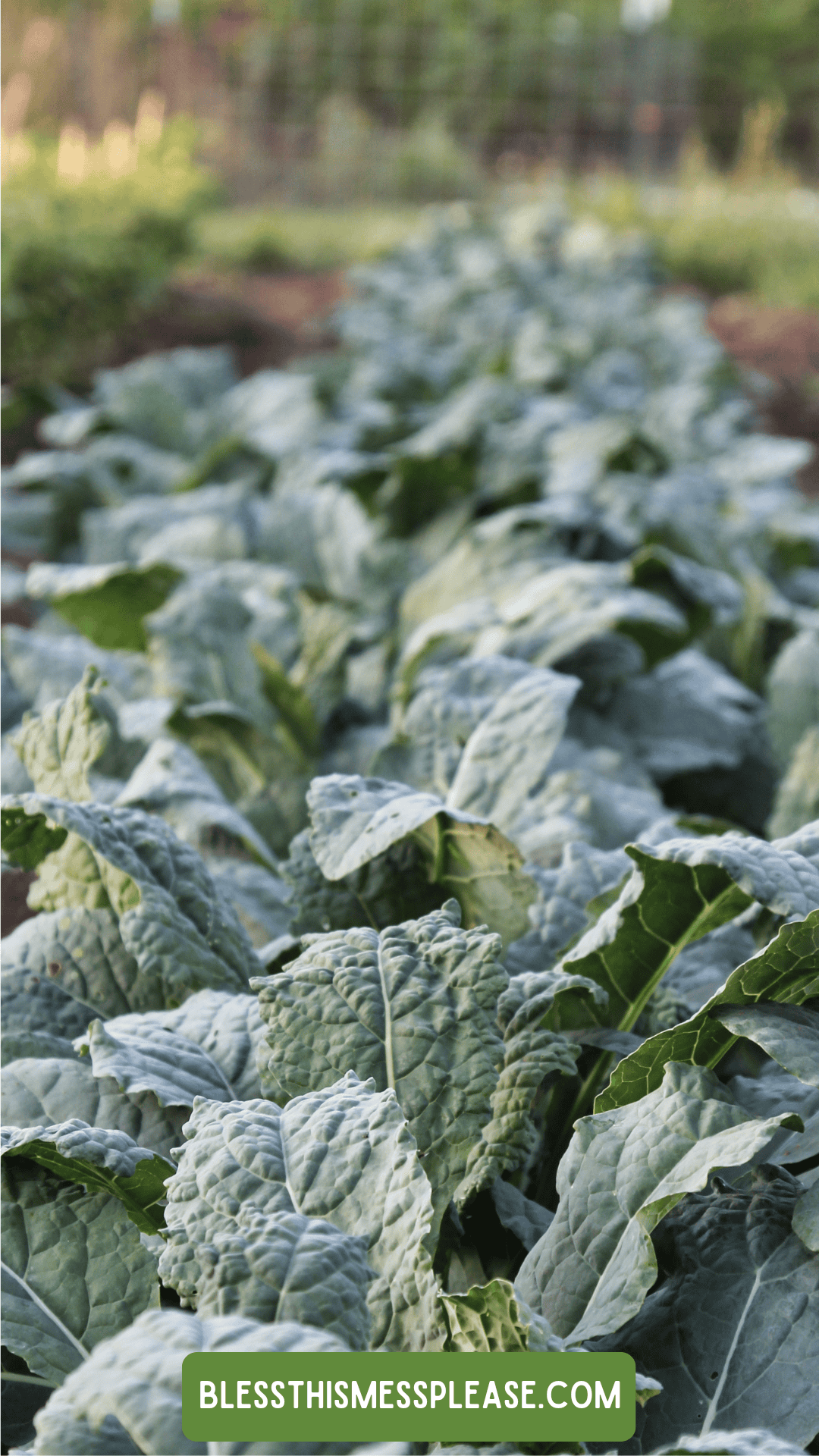
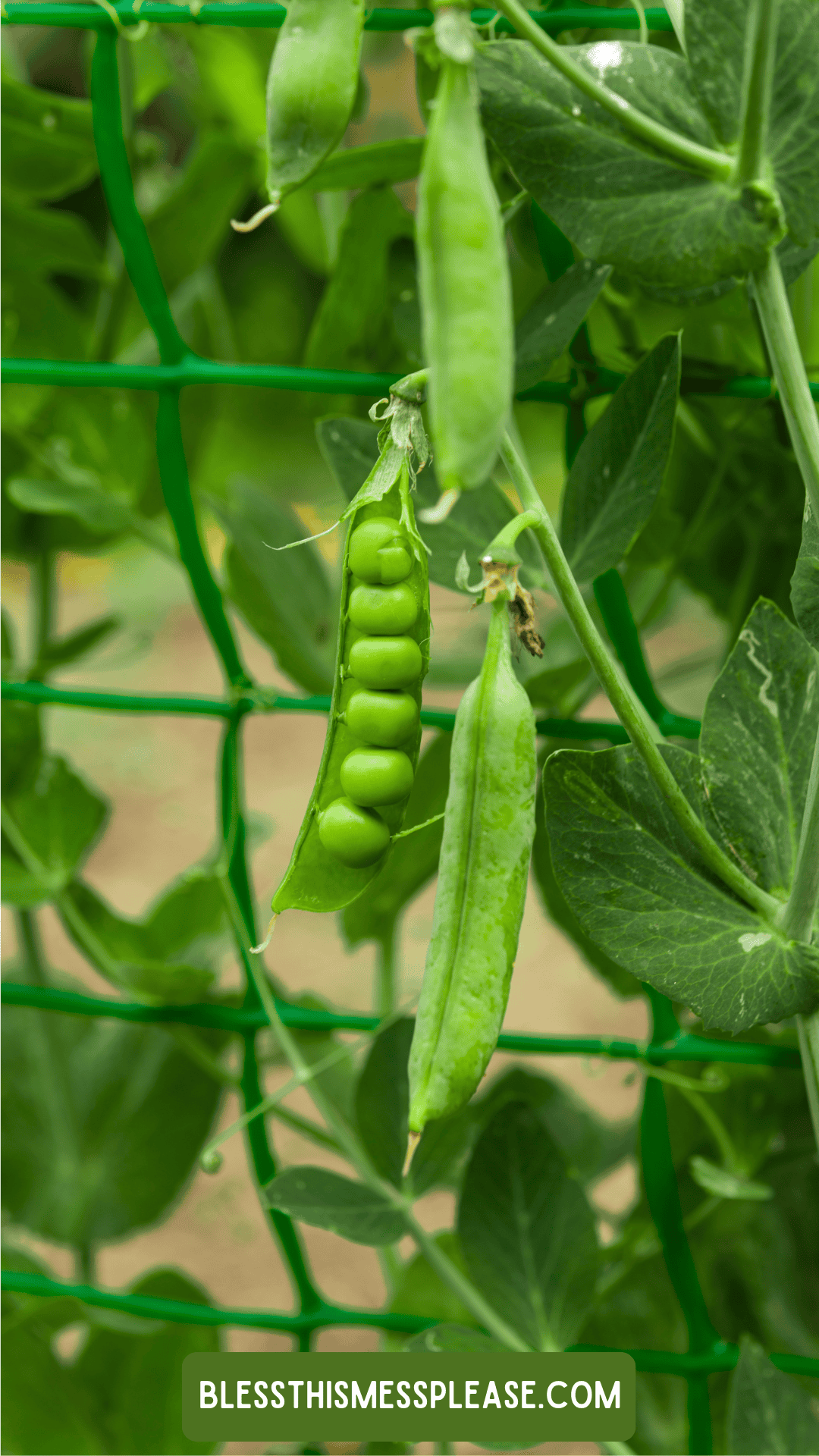
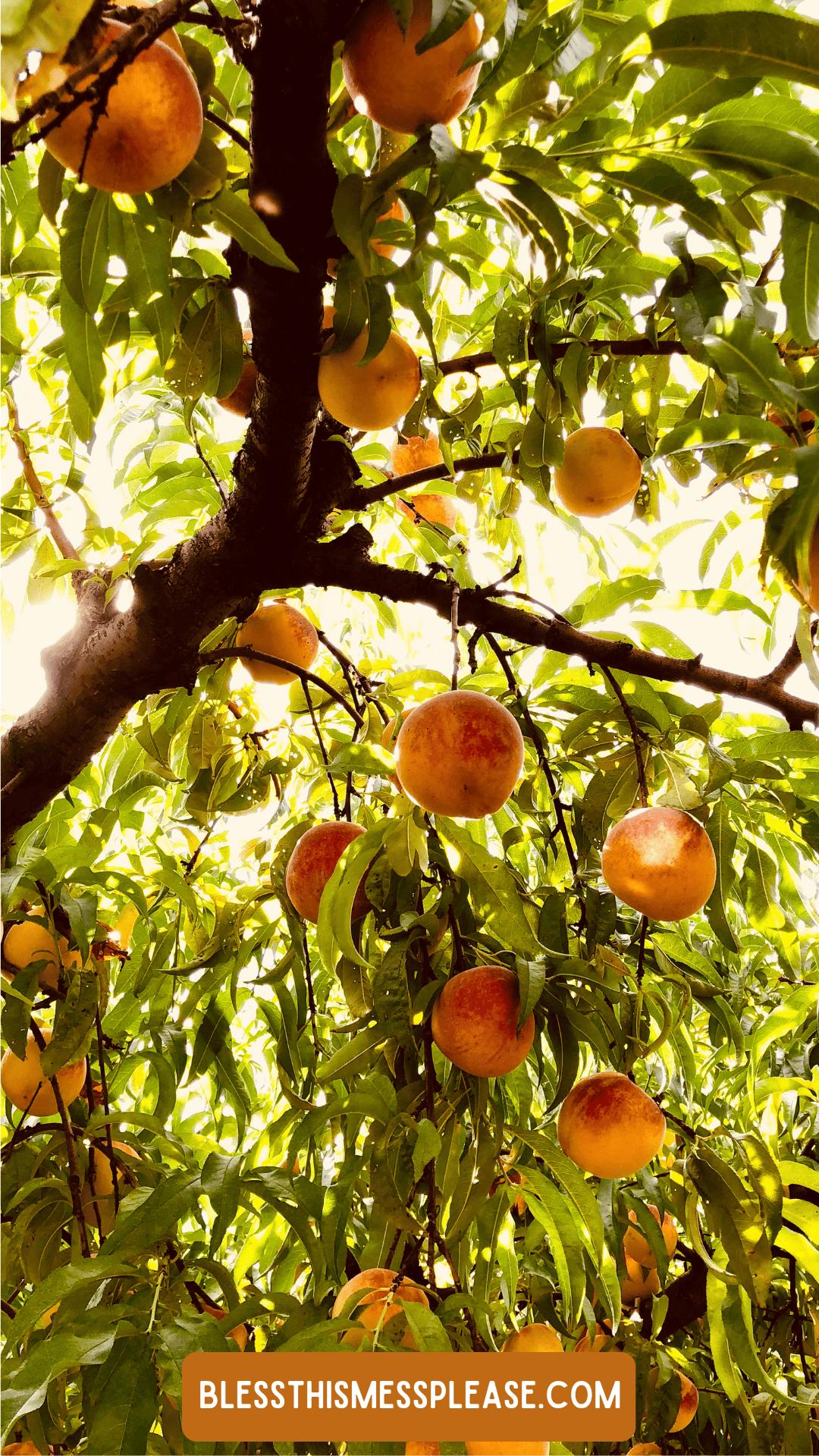
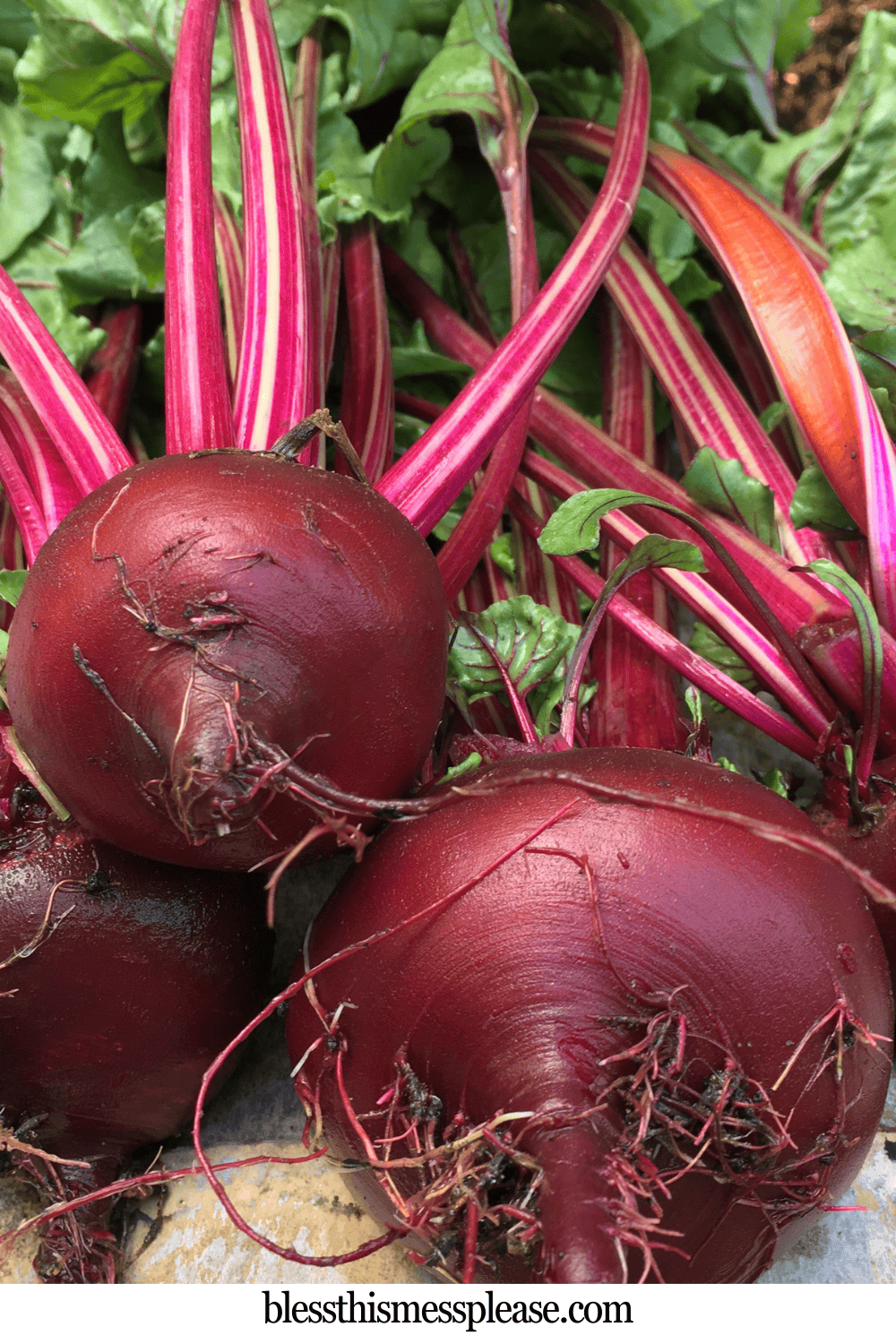
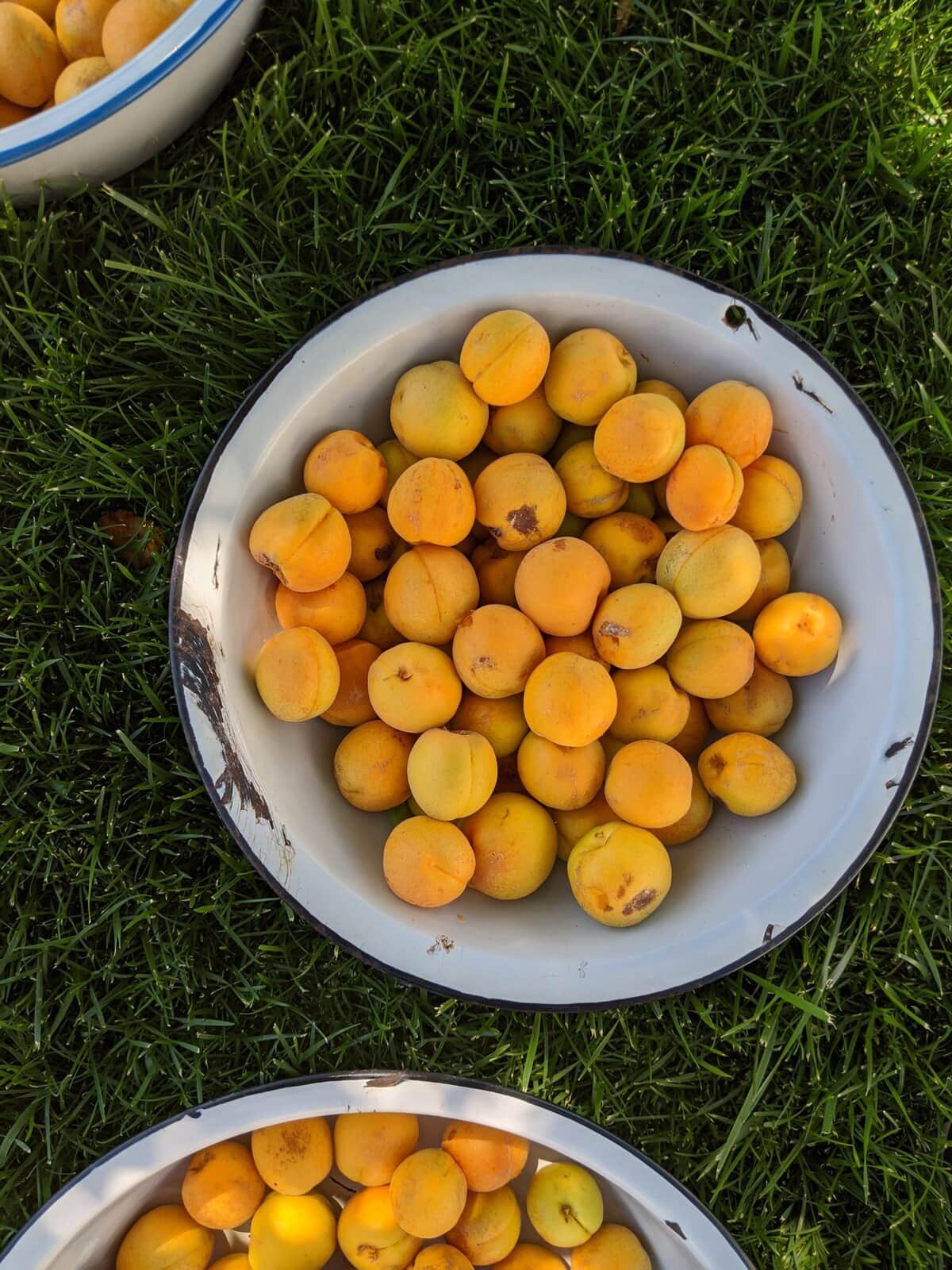
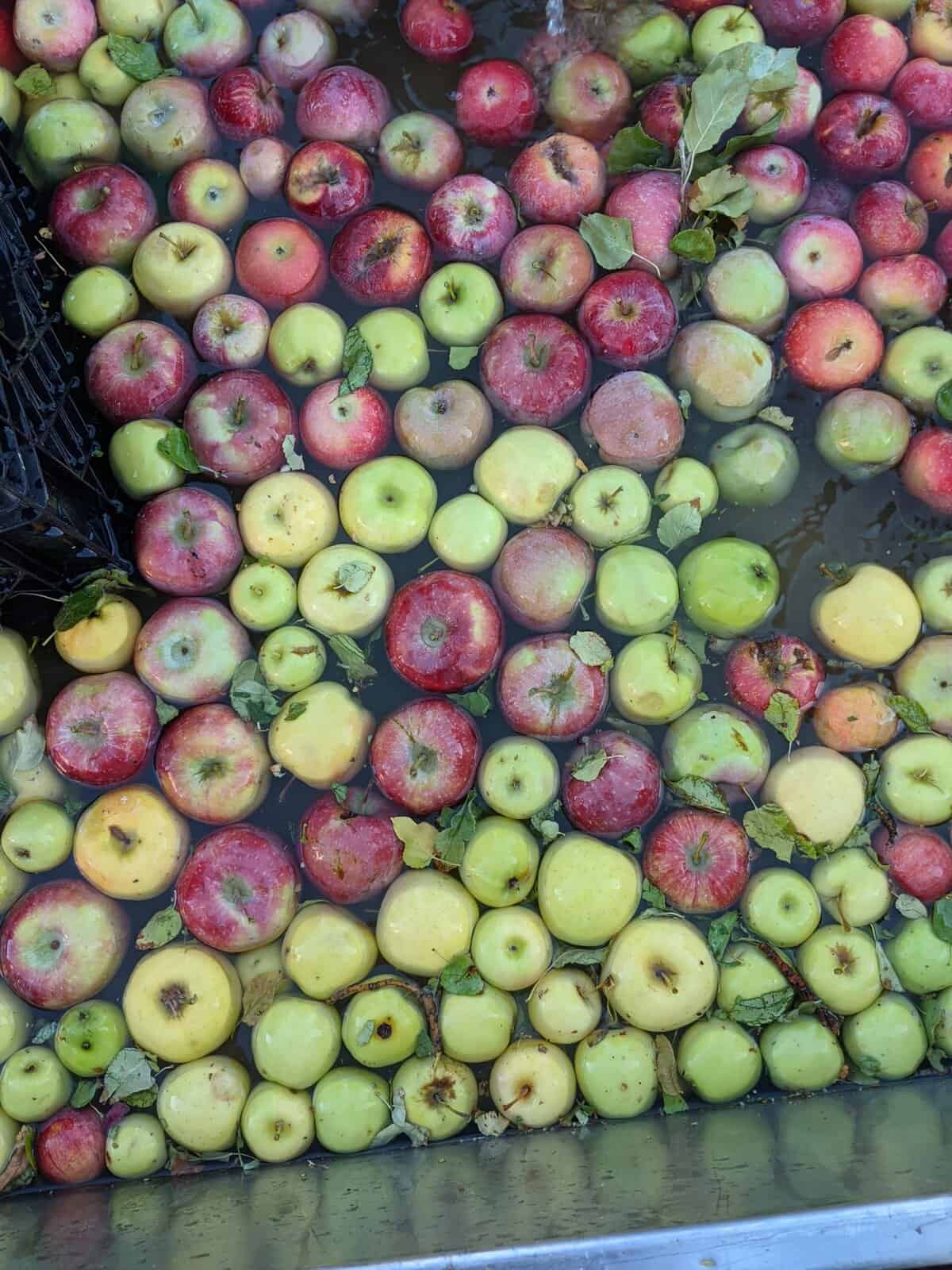
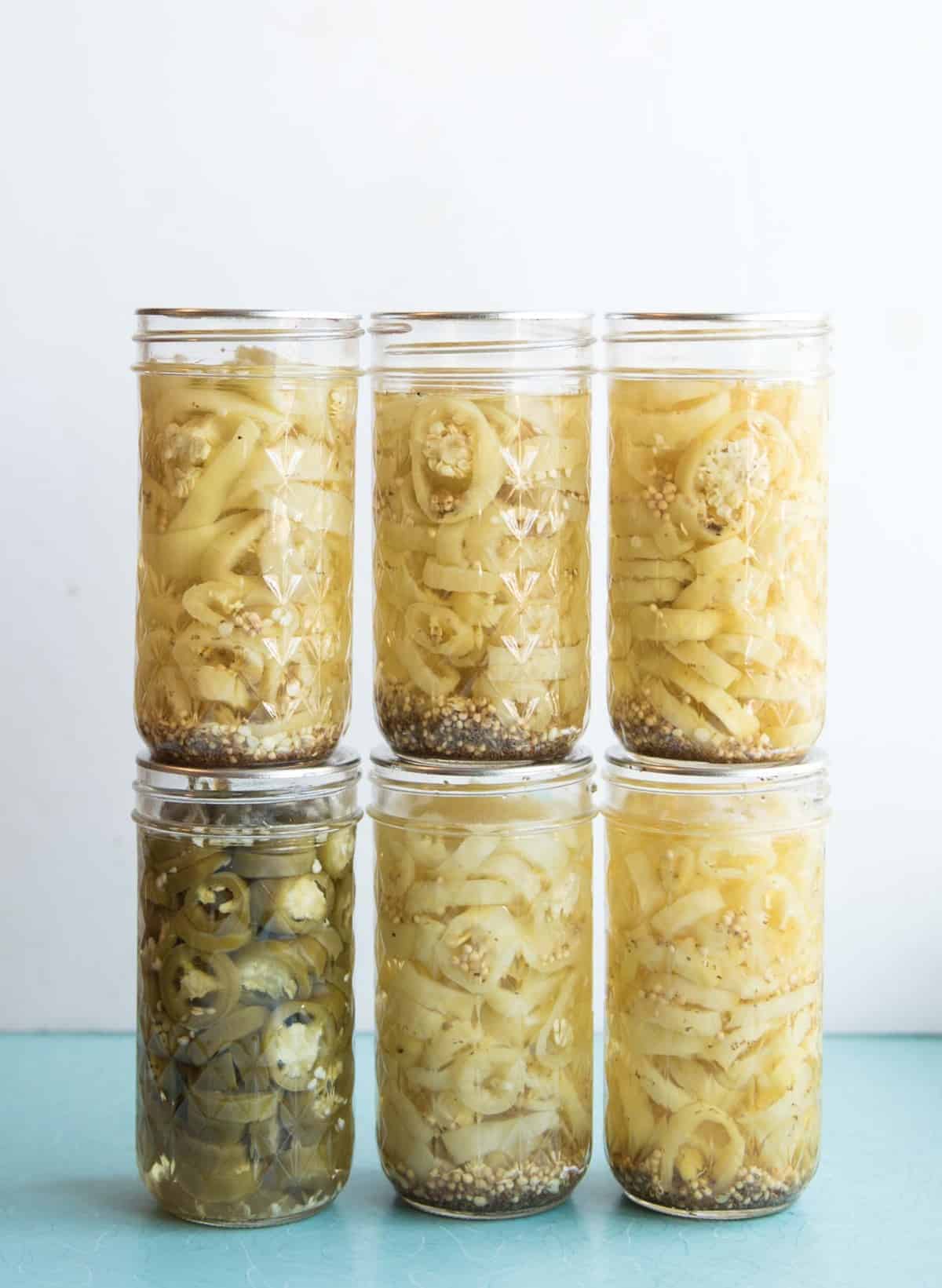
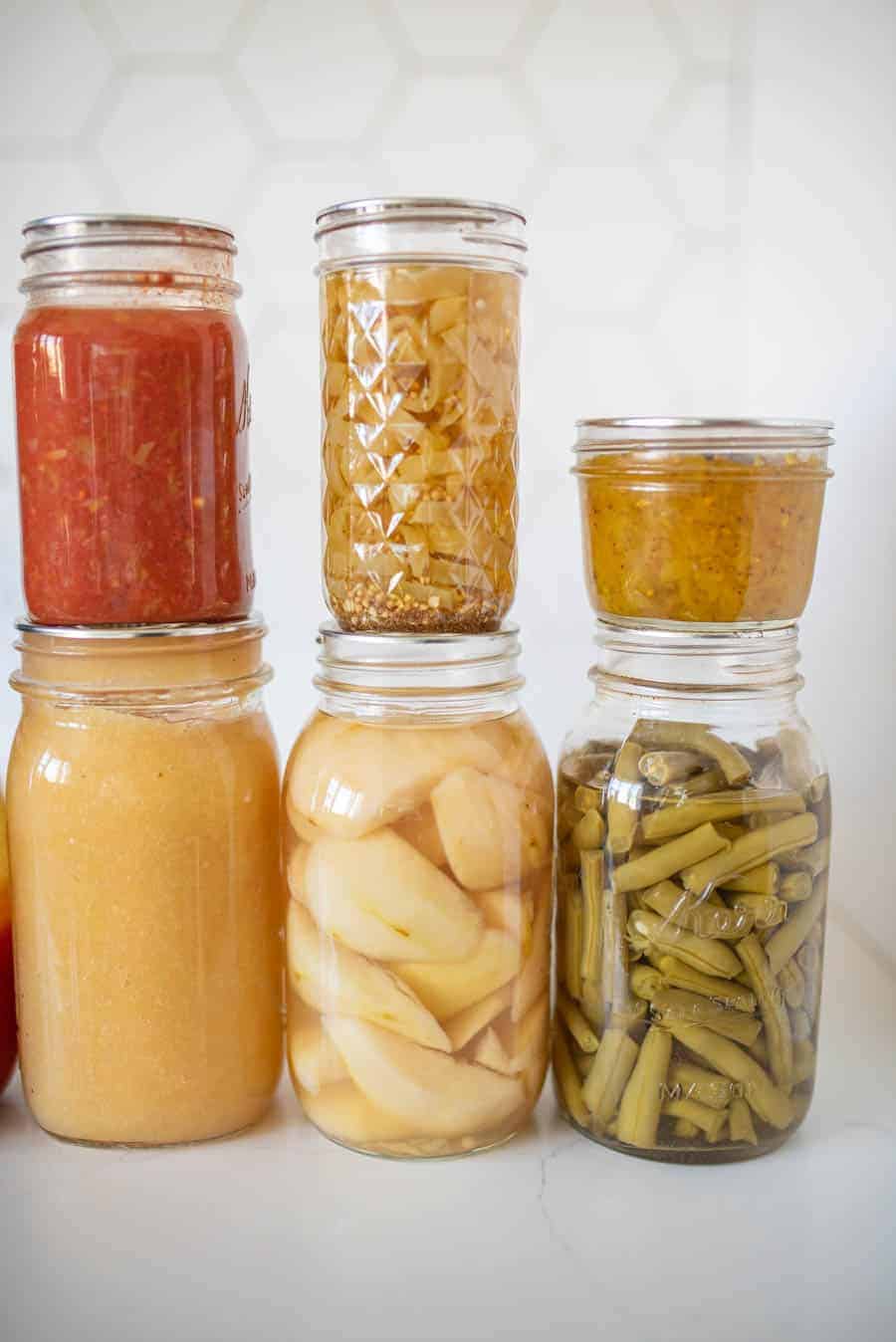
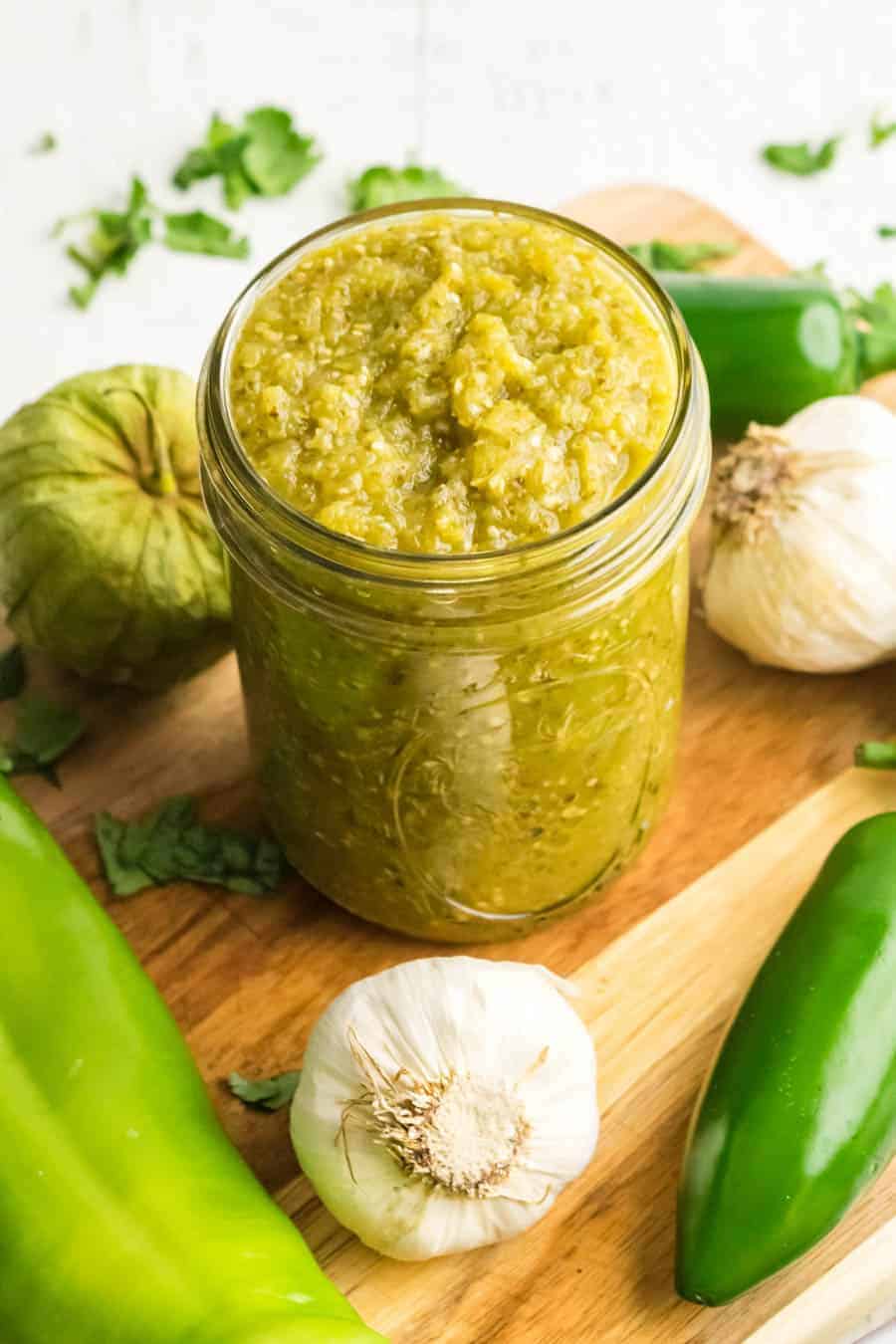
Essential Beginner Preservation Equipment
You don’t need a kitchen full of gadgets, but a few quick basics will help make the process smooth.
- Glass Mason Jars and Lids – Use Ball or Kerr for the best quality jars; these have two-piece flat lids and screw bands.
- Jar Lifter Tongs – This is a rubberized clamp to safely lift the hot glass jars in and out of the boiling water.
- Wide-Mouth Canning Funnel – This will keep the jar rims clean when pouring hot jams or sauces into the jars.
- Freezer-Safe Storage Bags – Heavy-duty, vacuum-sealed or double zipper bags to prevent foods from freezer burn.
- Baking Sheets and Parchment Paper – Essential for flash-freezing berries or vegetables.
Pro Tips for Preservation Beginners
- Start with freezing or quick pickling; this is the easiest way to preserve fresh food!
- Use quality produce; make sure the produce is fresh and not damaged.
- Follow tested canning recipes that are research-backed.
- Label everything with the date and contents to keep track before putting the food in storage.
Frequently Asked Questions
Freezing is the simplest method. It requires no special jars or pressure cookers. Flash-freezing fruit on a baking sheet before moving it to a freezer-safe bag will prevent clumps and preserve flavor instantly.
Glass canning jars can be reused as long as there are no cracks or nicks in them. The flat lids should only be used once for heat canning to ensure a proper seal.
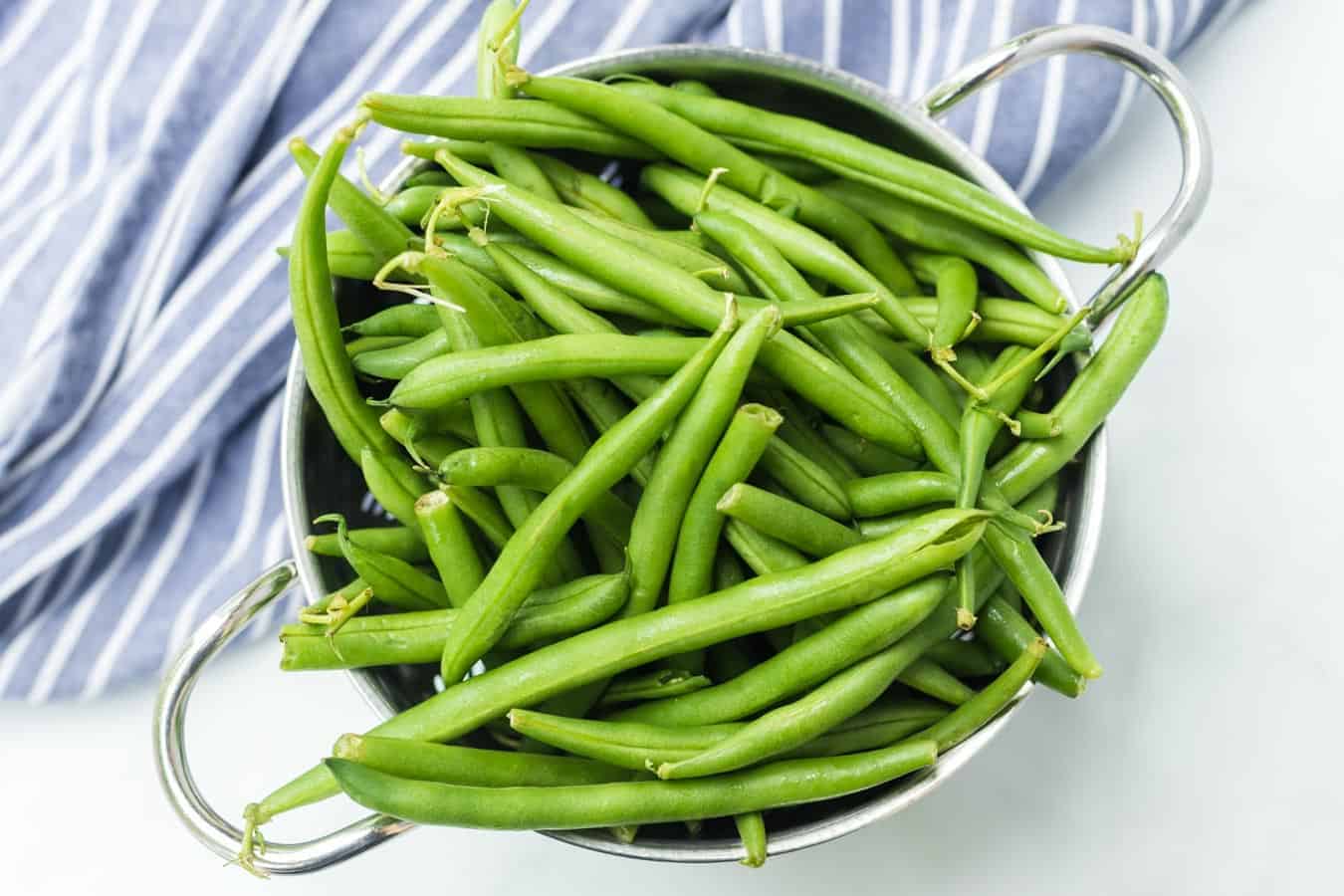
Most vegetables benefit from blanching briefly because it stops the natural enzymes from breaking down flavor, color, or texture during long-term storage.
Properly home-canned foods are best enjoyed within 12 to 18 months. Frozen produce lasts 8 to 12 months before losing quality, while dehydrated foods stored in airtight containers can last more than a year.
More Food Preservation
From Scratch Recipes
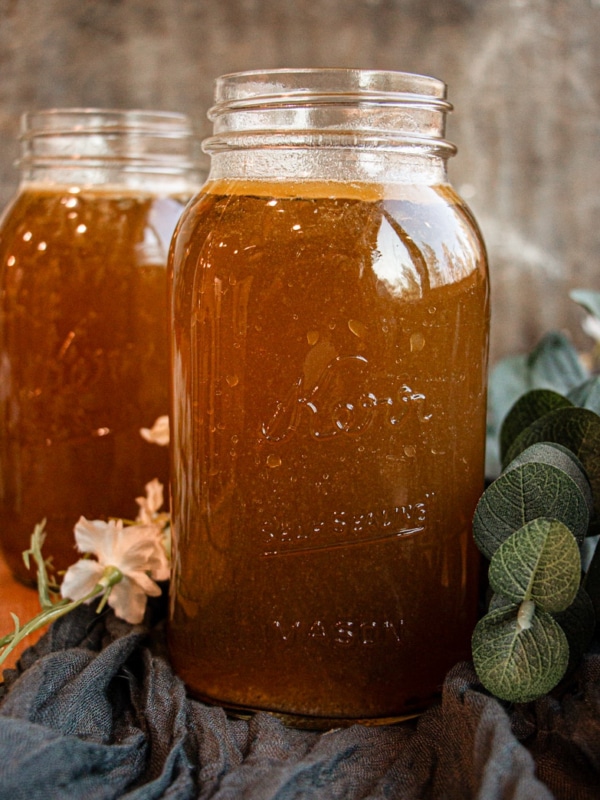
Classic Slow Cooker Bone Broth
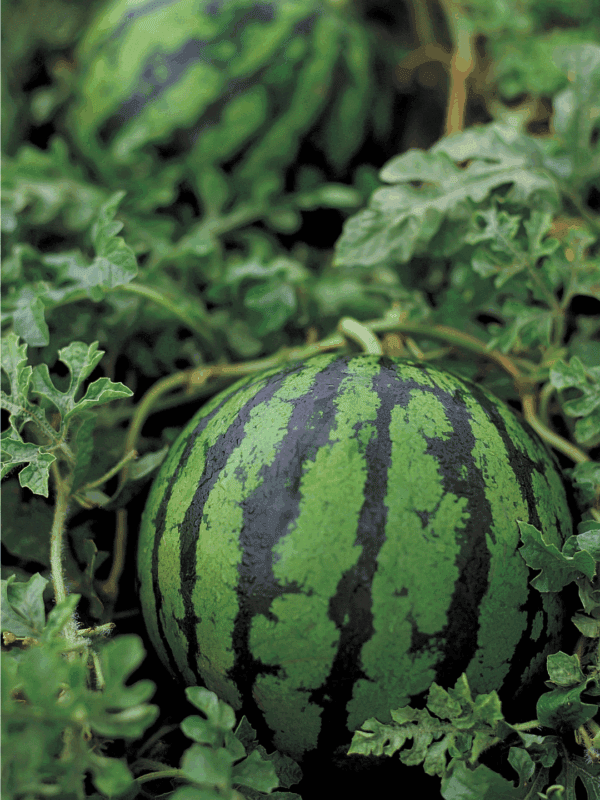
Preserving Guide
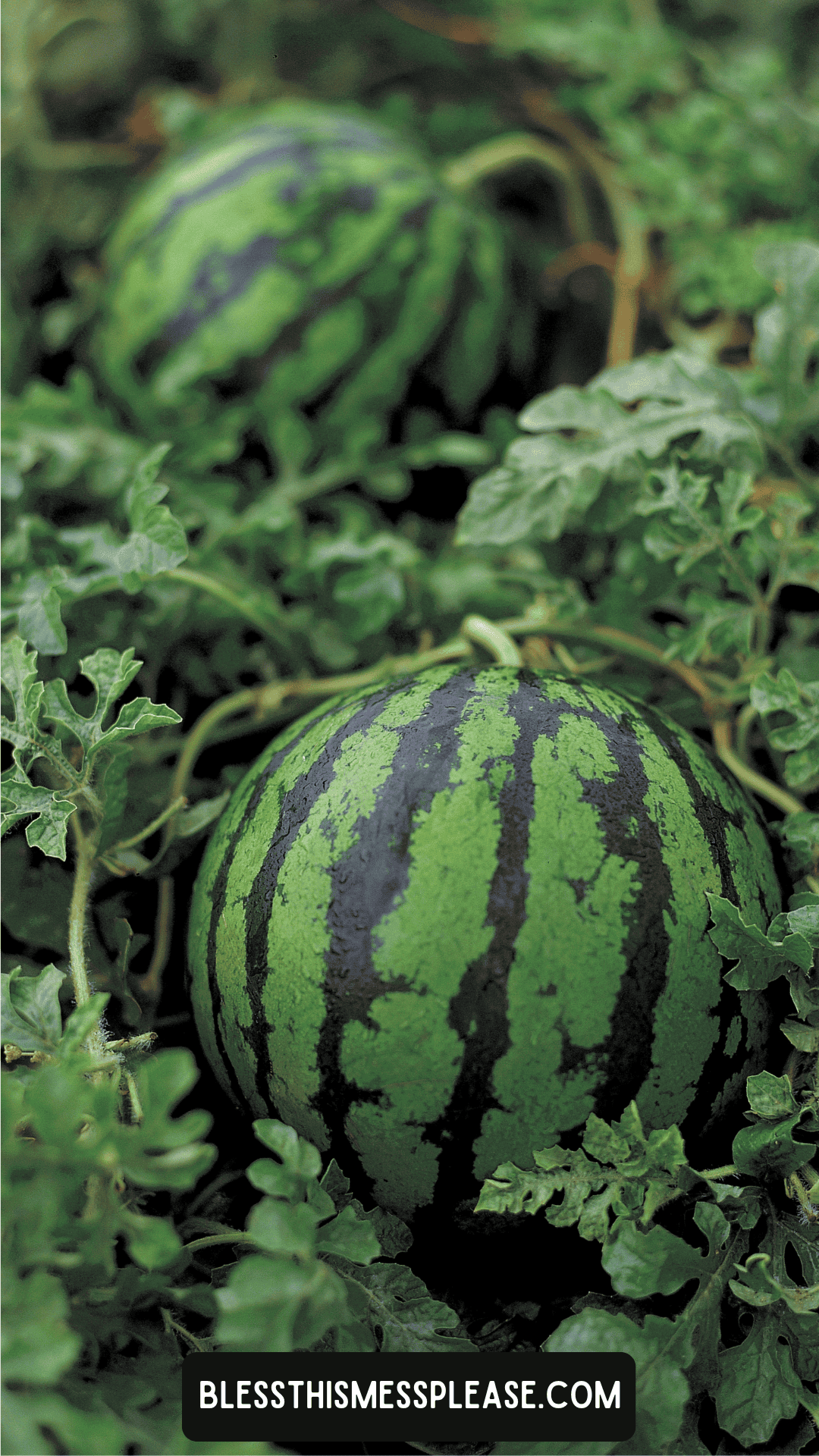
How To Preserve Watermelon
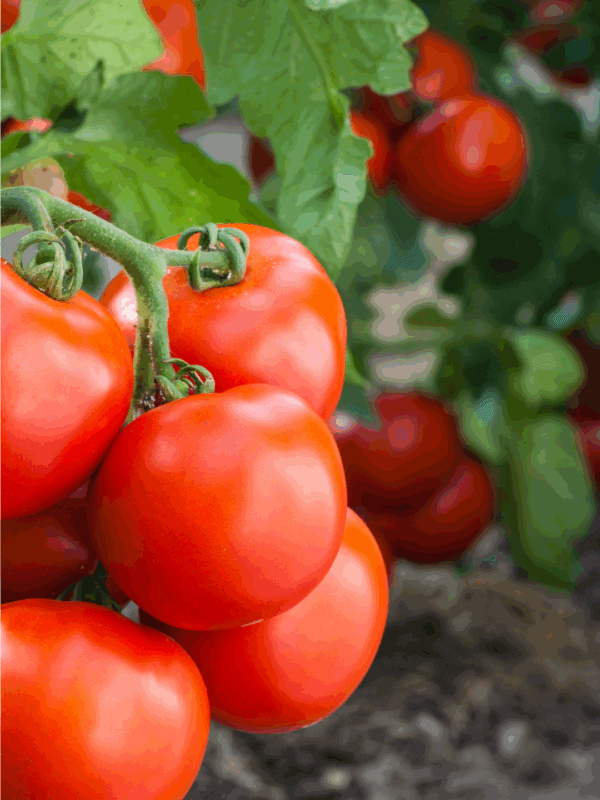
Preserving Guide
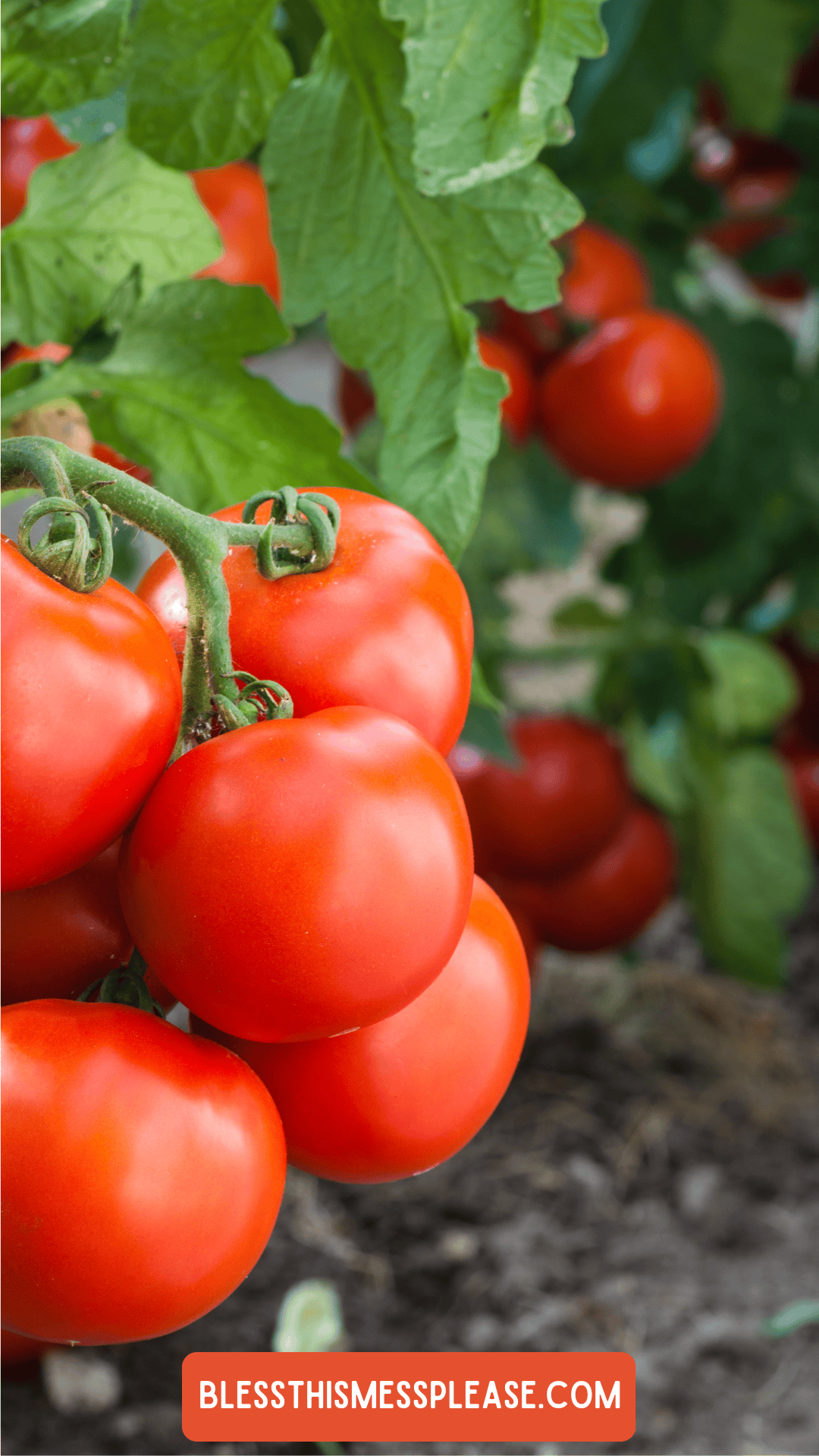
How To Preserve Tomatoes
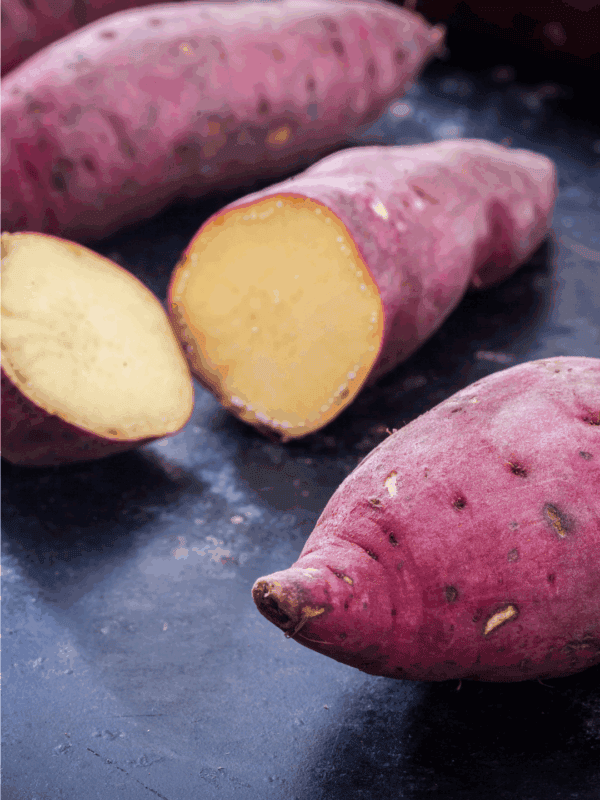
Preserving Guide
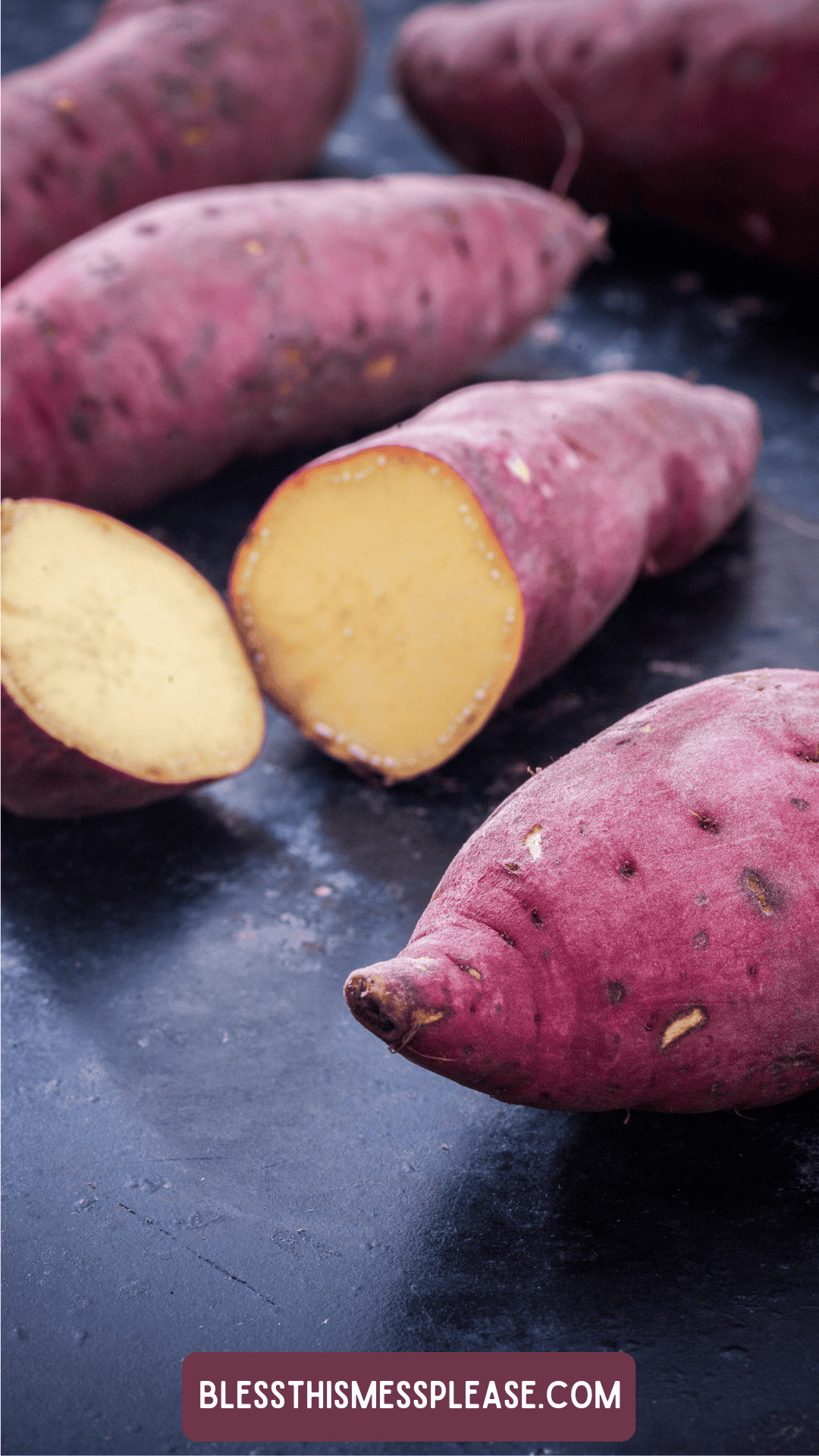
How To Preserve Sweet Potatoes
Stocking your pantry with home-preserved foods is one of the most rewarding parts of cooking from scratch. Whether you start small with a batch of quick pickled onions or go all-in canning fresh peaches, these simple methods will help you enjoy that fresh produce all year round.