

This post may contain affiliate links. Please read our disclosure policy.

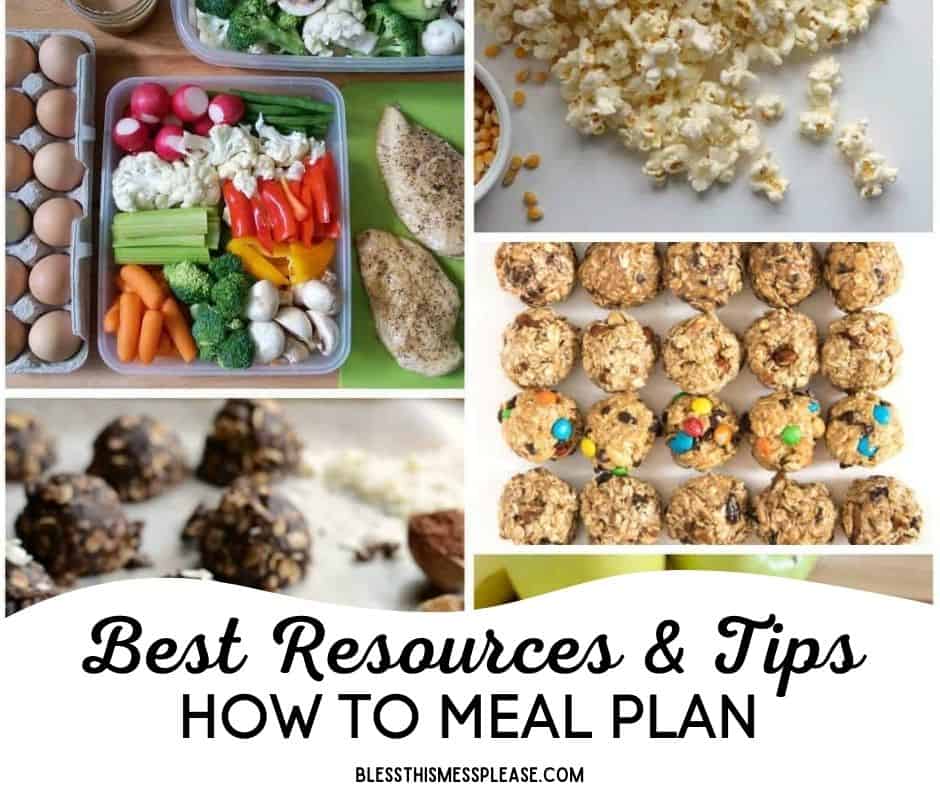
Learn how to meal plan with this step-by-step guide for busy families. Save time, reduce stress, and cut grocery costs with these simple meal planning tips and strategies that actually work.

Table of Contents
- Quick Overview
- The Moment of Panic!
- A Note From Me to You
- Why Meal Planning Is Worth Your Time
- How to Meal Plan: Step-by-Step Guide
- Expert Tips for Successful Meal Planning
- Common Meal Planning Mistakes to Avoid
- FAQs About Meal Planning
- Meal Planning Tools and Resources
- Sample Meal Plan to Get You Started
- Your Meal Planning Checklist
- Final Thoughts
- More Meal Planning Ideas
Quick Overview

WHAT: Planning your meals for the week ahead of time, creating a grocery list, and shopping for exactly what you need.
WHY: Saves time and money, reduces stress, cuts food waste, helps you eat healthier, and eliminates daily dinner decisions.
HOW: Review your schedule, choose recipes, make a grocery list, shop once, prep ingredients, and cook throughout the week.
🍽️ Whether you’re feeding yourself, your spouse, or a whole family, meal planning helps you take control of dinnertime without the daily panic!
The Moment of Panic!
Picture this: It’s 5 PM on a Tuesday, you’re exhausted from the day, and hungry kids are asking what’s for dinner. You stare into the fridge hoping something will jump out at you, but nothing sounds good and you can’t remember what ingredients you have.
Sound familiar? If you’ve ever found yourself scrambling to figure out dinner at the last minute or making yet another expensive takeout run, meal planning is about to change your life.
Meal planning is simply deciding ahead of time what you’ll eat for the week and shopping for those specific ingredients. It takes about 30 minutes once a week, but saves hours of stress, reduces those “what’s for dinner?” moments, and can cut your grocery bill significantly.

🩷 Melissa
A Note From Me to You
Meal planning has been a sanity saver for me and has evolved over the years. With 5 kids, currently ages 10 to 18, life can get pretty busy sometimes — but we always need to eat, right?
Whether you are an extremely organized meal planner with a detailed plan for 3 meals a day plus snacks, or the type who jots down a few meal ideas on a piece of scrap paper, you’re meal planning either way!
And meal planning is the best way I’ve found to ensure we have simple, home-cooked meals on the table every night.
If you’re hesitant, start small – plan just three dinners for your first week. You can always add more as you get comfortable with the process!
Why Meal Planning Is Worth Your Time
Saves Money (Seriously!)
When you meal plan, you buy only what you need for specific recipes or for what needs restocking in your pantry. This means fewer impulse purchases and less wasted food sitting in your fridge.
The average family throws away about $1,500 worth of food each year. By planning meals around what you already have and what’s on sale, you can slash your grocery bill by 20-30%. Many families report saving $300-500 per month just by sticking to a meal plan.
Saves Time During the Week
Yes, meal planning takes about 30 minutes upfront, but it saves you hours during the week.
- You’ll make fewer trips to the grocery store.
- You’ll spend less time wandering the aisles trying to figure out what to buy.
- You’ll eliminate those nightly debates about what to make for dinner.
Plus, when you know what you’re cooking, you can prep ingredients ahead of time.
Reduces Stress and Decision Fatigue
How many times a day do you make decisions? What to wear, what tasks to prioritize, what to pack for lunch – it adds up.
When you plan your meals, you remove one major daily decision. No more standing in front of the fridge at dinnertime feeling overwhelmed.
Your meals are already planned, ingredients are ready, and you just need to cook.
Helps You Eat Healthier
When you’re hungry and unprepared, it’s easy to reach for takeout or processed foods. Restaurant meals typically contain more calories, sodium, and unhealthy fats than home-cooked food.
Meal planning lets you control what goes into your family’s meals and ensures you’re eating a variety of nutritious foods throughout the week.
Reduces Food Waste
When you plan meals around ingredients you already have and buy only what you need, less food ends up in the trash. You’ll also be more intentional about using leftovers and repurposing ingredients across multiple meals.

How to Meal Plan: Step-by-Step Guide
Step 1: Check Your Schedule
Before you plan a single meal, look at your calendar for the upcoming week. Write down:
- Days with activities (sports practice, meetings, appointments)
- Nights you’ll be eating out or ordering in
- Days when you’ll have more time to cook
- Days when you need quick, simple meals
This helps you plan realistic meals that fit your actual schedule. On busy nights, schedule 30-minute meals or use your slow cooker. Save more complex recipes for days when you have extra time.
Step 2: Look at What You Already Have
Open your fridge, freezer, and pantry. Write down:
- Proteins that need to be used soon
- Fresh produce that’s about to go bad
- Staples you already have (rice, pasta, canned goods)
- Leftovers that can be repurposed
Starting with what you have saves money and reduces waste. Maybe you have chicken breasts in the freezer and bell peppers in the fridge – that’s the start of fajitas or stir-fry!
Step 3: Decide How Many Meals to Plan
Don’t feel pressured to plan seven dinners! Most families plan:
- 4-5 home-cooked dinners
- 1-2 nights for leftovers
- 1 night for takeout or dining out
Be realistic about your cooking capacity. If you’re new to meal planning, start with just 3-4 dinners your first week.
Step 4: Choose Your Recipes
Pick recipes based on:
- What you already have
- What’s on sale at the store
- Your family’s preferences
- Your cooking skill level
- Time available each day
Mix it up with:
- Familiar favorites your family loves
- 1-2 new recipes to keep things interesting
- Mix of cooking methods (oven, stovetop, slow cooker)
- Variety of proteins and vegetables
Step 5: Make Your Grocery List
Write down every ingredient you need that you don’t already have. Organize your list by department—all produce together, meat together, etc.
Check your pantry and fridge before adding items to your list so you don’t buy something you already have that needs using up!
Step 6: Shop Smart
Stick to your list as much as possible. A few tips:
- Never shop hungry
- Go at off-peak times to get in and out of the store quickly
- Check store apps for digital coupons
- Compare unit prices for best deals
- Buy store brands when quality is similar
Step 7: Prep When You Can
When you get home from the grocery store or set aside time on Sunday:
- Wash and chop vegetables
- Cook grains like rice or quinoa
- Brown ground meat
- Marinate proteins
- Portion snacks
- Store everything in clear containers so you can see what you have
The more you prep ahead, the easier cooking becomes during the week.
Step 8: Stay Flexible
Remember, your meal plan is a guide, not a strict rule. Life happens!
If you don’t feel like cooking chicken on Wednesday, swap it with Thursday’s meal. If someone invites you out unexpectedly, move that planned meal to another night.
Flexibility prevents burnout and keeps meal planning sustainable.
Expert Tips for Successful Meal Planning
Theme Nights Make Planning Easier
Assigning themes to different nights can simplify your planning process. Try:
- Meatless Monday – Pasta, veggie burgers, bean dishes
- Taco Tuesday – Any Mexican-inspired meal
- Slow Cooker Wednesday – Set it and forget it
- Sheet Pan Thursday – Everything bakes on one pan
- Pizza Friday – Homemade or takeout
- Soup Saturday – Hearty soups and stews
- Sunday Roast – Traditional dinner with family
Plan Meals That Share Ingredients
Buying ingredients that work across multiple meals stretches your budget further. For example:
- Buy one whole chicken for roasted chicken on Monday, chicken salad on Tuesday, and soup on Wednesday
- Use ground beef for spaghetti sauce and taco filling
- Prep a batch of rice for stir-fry and burrito bowls
- Roast extra vegetables to use in pasta, omelets, and grain bowls
Build a Rotation of Reliable Recipes
Keep a list of 15-20 recipes your family enjoys that you can rotate through. This eliminates the “what should I make?” stress because you have trusted favorites to choose from.
As you get comfortable, slowly add new recipes to expand your rotation.
Embrace Leftovers Strategically
Intentionally cook extra and plan for leftover nights. This doesn’t mean eating the same thing two nights in a row (unless you want to!).
Here are a few ways I frequently cook extras in order to have another meal partially prepared ahead of time:
- I always cook extra chicken when making tacos so I can use it later that week in quesadillas or salad.
- It’s just as easy to make a double batch chili as it is a single meal. Extra chili can be frozen for a future busy night, as smaller servings for lunches, or turned into other fabulous chili-filled dinners.
- In the winter I make a big sheet pan of roasted vegetables every couple of weeks. After the first dinner, the leftover veggies get turned into frittatas, added to pasta meals, or packed into a pie crust for a meat pie (aka pasty)!
Meal Plan Tip: The easiest way to get started with this idea is to just start doubling recipe portions and freeze the second half. You can work the frozen items into next week’s meal plan.
Keep a Running Grocery List
Post a list on your fridge or use a notes app on your phone. Throughout the week, write down items as you run out. When meal planning time comes, you’ll already know what staples need restocking.
Common Meal Planning Mistakes to Avoid
❌ Planning Too Many Complex Recipes
When starting out, don’t plan seven elaborate meals requiring 15 ingredients each. Keep it simple!
Choose mostly familiar, straightforward recipes with a manageable ingredient list. You can get fancy once meal planning becomes routine.
❌ Not Considering Your Schedule
Planning a three-hour pot roast on soccer practice night sets you up for failure. Match meal complexity to your available time each day.
❌ Trying to Be Too Perfect
If you miss a meal planning week or order pizza twice when you planned to cook, it’s okay! Meal planning should reduce stress, not create more. Give yourself grace and start fresh the next week.
❌ Forgetting to Check What You Have
Before making your grocery list, always check your pantry, fridge, and freezer. You might already have half the ingredients you need!
❌ Planning Foods No One Likes
Be realistic about what your family will actually eat. If your kids won’t touch Brussels sprouts, don’t plan three meals featuring them hoping they’ll suddenly change their minds. Work with preferences while slowly introducing new foods.
FAQs About Meal Planning
Most people spend 20-45 minutes on meal planning each week once they establish a routine. Your first few weeks might take longer as you’re learning the process, but it gets faster with practice. The time invested upfront saves hours during the week when you’re not making extra store trips or debating what to cook.
Absolutely not! Most people plan only dinners since that’s typically the most stressful meal. Others plan lunches too if they’re packing for work or school. Breakfast often stays simple with staples you keep on hand (eggs, oatmeal, cereal). Plan what works for your family – even planning just 3-4 dinners is helpful.
Build variety into your plan by rotating different proteins, trying new recipes occasionally, and varying your cooking methods. Theme nights help too – Taco Tuesday might mean soft tacos one week, taco salad the next, and enchiladas the week after. You can also involve family members in choosing recipes so everyone has meals they’re excited about.
Start by planning meals around what you already have, check store sales before planning, choose recipes with affordable ingredients like beans and eggs, buy seasonal produce, incorporate meatless meals, and cook larger portions to stretch proteins further. Avoid shopping when hungry, stick to your list, and choose store brands for pantry staples. Meal planning itself is one of the best budgeting tools because it eliminates food waste and impulse purchases.
Yes! Meal planning actually works great with changing schedules because you’re customizing your plan each week based on what’s happening. Just build extra flexibility into your plan – maybe you only plan 3 dinners and leave other nights open for leftovers, takeout, or easy backup meals. Keep your pantry stocked with ingredients for quick meals you can throw together when plans change.
Meal Planning Tools and Resources
Free Templates and Apps
- Paper calendar or whiteboard – Simple and visual for posting on the fridge
- Meal plan download – Just print it out and get planning
- Spreadsheet – Many people use Google Sheets to track meals and grocery lists
- Meal planning apps – Options like Mealime, Plan to Eat, or Paprika help organize recipes and generate lists
- Store apps – Most grocery stores have apps with digital coupons and list features
Where to Find Recipe Inspiration
- Your own recipe collection – Start with what you know works
- Pinterest – Search for “easy weeknight dinners” or specific ingredients you need to use
- Food blogs – Like this one! Save recipes that look doable for busy weeknights
- Cookbooks – Keep a few trusted cookbooks with simple, family-friendly recipes
- Ask family and friends – They might share their favorite easy meals
Sample Meal Plan to Get You Started
Here’s a simple week of meals that are budget-friendly and family-approved:
Monday: Instant Pot Chicken Tacos with rice and beans
Tuesday: Spaghetti with meat sauce and garlic bread
Wednesday: Sheet Pan Chicken Fajitas
Thursday: Leftover fajitas turned into quesadillas
Friday: Homemade pizza night
Saturday: Leftover pizza for lunch; easy turkey burgers and roasted vegetables for dinner
Sunday: Pot roast with potatoes and carrots (use leftovers for sandwiches later in the week)
Notice how this plan uses simple, familiar foods and incorporates leftovers strategically—no extra cooking required for big parts of additional meals.
This plan also varies cooking methods and includes one really easy night (pizza) so it’s likely to fit any type of schedule.
I think this meal plan will also fit into any reasonable grocery budget since it uses simple, common ingredients.
Your Meal Planning Checklist
Ready to start meal planning? Follow this simple checklist each week:
☐ Check your calendar for the week ahead
☐ Look at what foods you already have
☐ Decide how many meals to plan
☐ Choose recipes (mix of familiar and maybe one new)
☐ Write your grocery list
☐ Check pantry/fridge before shopping
☐ Go grocery shopping (don’t forget your list!)
☐ Prep what you can ahead of time
☐ Post your meal plan somewhere visible
☐ Pat yourself on the back – you’ve got this!
Final Thoughts
Meal planning isn’t about being perfect or creating Instagram-worthy meals every night. It’s about making your life easier, saving money, and reducing the daily stress of figuring out what to feed your family. Start small, be flexible, and give yourself grace as you learn what works for your household.
The first few weeks might feel like extra work, but stick with it. Once meal planning becomes part of your routine, you’ll wonder how you ever managed without it. You’ll save money, reduce food waste, eat healthier, and feel so much more in control of your week.
More Meal Planning Ideas

Valentine’s Day Recipes
55+ Valentine’s Day Dinner Suggestions for a Fun Night at Home


Chicken Recipes
57 Quick & Easy Chicken Dinner Recipes

From Scratch Recipes
Slow Cooker Recipes For Spring
Did you find this information helpful? Please share it on Instagram, Facebook, or Pinterest!